
Science · 53 views
DNA reveals chemosynthesis genes in bacteria living on coral reef fish gills
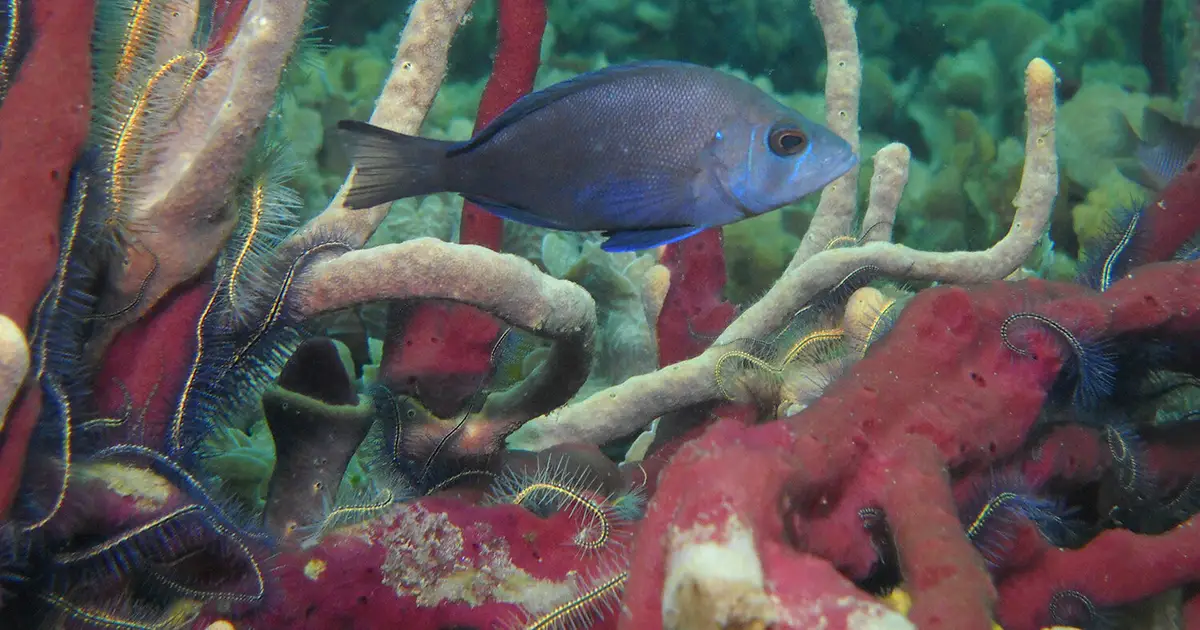
Chemosynthetic bacteria have been documented in various marine environments and in association with invertebrate hosts such as annelid worms and mollusks, but their presence in fish appears to be a new discovery.

AI Summary
Scientists have identified chemosynthetic bacteria on the gills of coral reef fish, a first for fish hosts. The bacteria possess genes that enable them to convert inorganic compounds into organic molecules, a process known as chemosynthesis. The gill microbiome is described as complex and specialized, though its functions remain poorly understood. Researchers suggest the bacteria could influence fish metabolism, immunity, and overall health. Further study is needed to clarify the role of these microbes in fish physiology.
AI summaries can be wrong sometimes—always verify important details using the source article.
How AI & Automation are usedMore from Science
Continue reading recent Science coverage
- Powerful storm pummels Northeast US with rain, high windsContinue reading
- Why AI has trouble predicting the fury of hurricane intensityContinue reading
- NEET with a disability: What's holding back visually impaired young people who want to workContinue reading
- Looking for #womenshealth information on Instagram? 4 out of 10 posts are adsContinue reading
Support HappeningNow
Independent AI-powered news analysis is reader-supported. Your contribution helps cover infrastructure, summaries, and continued platform development.
Support HappeningNow