
Science · 26 views
Wave-packet interferometry captures elusive dark excitons in organic superconductor
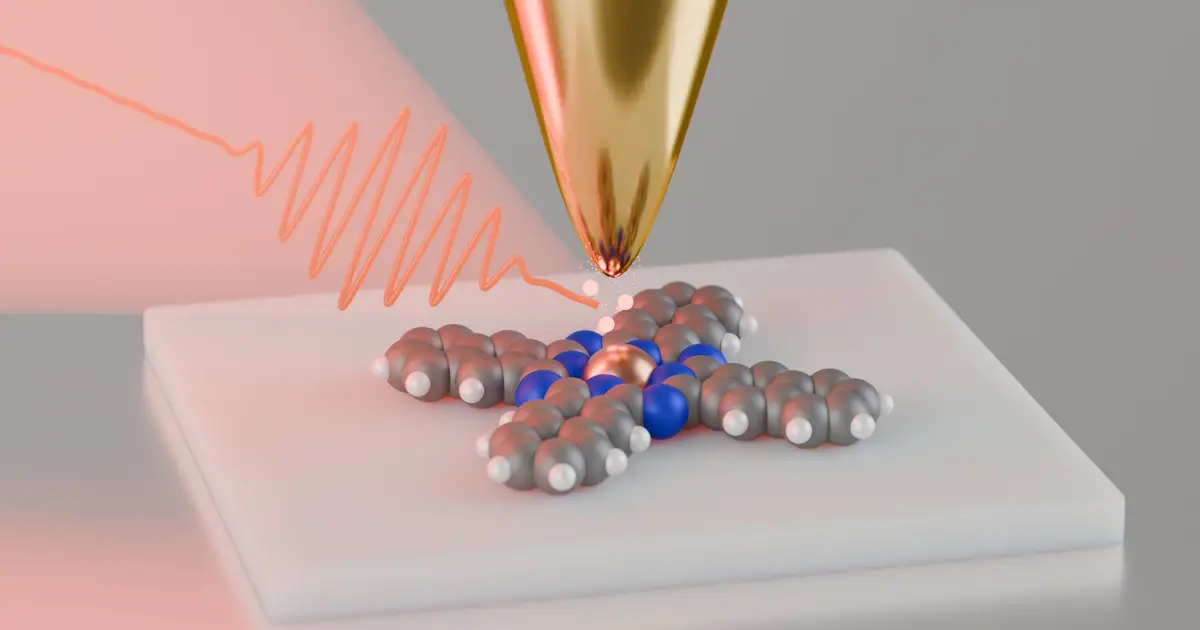
In a recent study, Manish Garg, independent group leader at Max Planck Institute for Solid State Research (MPI FKF), succeeded in probing the local properties of bright and dark excitons in the organic superconductor copper…

AI Summary
Researchers have successfully employed wave-packet interferometry to study elusive dark excitons in an organic superconductor. This achievement is significant because it allows for a deeper understanding of the properties of dark excitons, which are difficult to observe due to their short lifetimes. The use of wave-packet interferometry provides a new method for probing these elusive particles. The study focused on the organic superconductor copper naphthalocyanine (CuNc), and the findings have been published in the journal Nature Communications.
AI summaries can be wrong sometimes—always verify important details using the source article.
How AI & Automation are usedMore from Science
Continue reading recent Science coverage
- Fossil plankton shells reveal reduced nitrogen fixation in warmer oceans 3 million years agoContinue reading
- Report on global water resources: Worldwide continents are drying upContinue reading
- New krypton-88 data narrow a key gap in stellar strontium modelsContinue reading
- Climate change contributing to permafrost thawing and glacial thinningContinue reading
Support HappeningNow
Independent AI-powered news analysis is reader-supported. Your contribution helps cover infrastructure, summaries, and continued platform development.
Support HappeningNow