
Science · 1 views
The Arctic melt season is a week longer now than it was in the 1980s, new research on sea ice trends shows
Relatively few people have been to the Arctic, and even fewer have set foot in Antarctica. Most people rely on imagination and the media to visualize these landscapes and the ways they are changing.

Story Brief
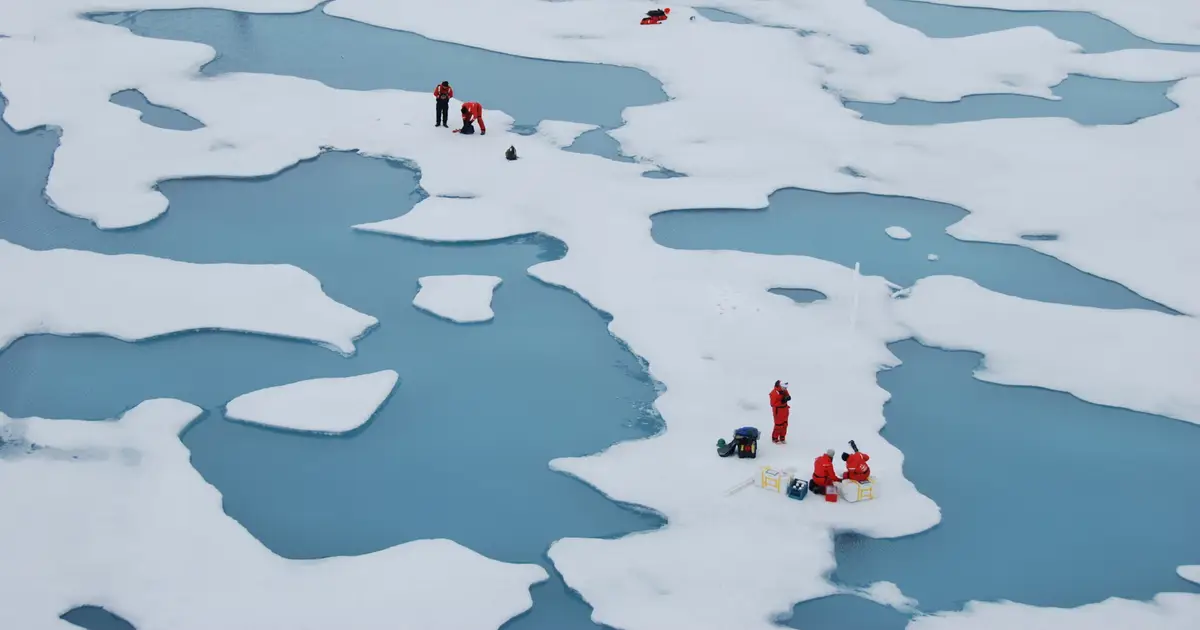
The changes of the Arctic sea ice cover have repercussions for the functioning of the polar marine ecosystem. Webster Relatively few people have been to the Arctic, and even fewer have set foot in Antarctica. Most people rely on imagination and the media to visualize these landscapes and the ways they are changing. Research shows that the Arctic is warming four times faster than the global average.
Read full article on PHYSAI summaries can be wrong sometimes—always verify important details using the source article.
How AI & Automation are usedMore from Science
Continue reading recent Science coverage
- Warming seas could shrink most mollusks by 2100, but some may growContinue reading
- Pig kidney kept a man off dialysis for nine months in world firstContinue reading
- The US Could Have a $100 Billion Stash of Rare Earth Elements – Hiding in Coal WasteContinue reading
- Predictive tools can confuse rare mutations with dangerous onesContinue reading
Support HappeningNow
Independent AI-powered news analysis is reader-supported. Your contribution helps cover infrastructure, summaries, and continued platform development.
Support HappeningNow