
Health · 2 views
Rare cortical neurons can synchronize brain activity and promote sleep in mice
What makes the brain fall asleep? For nearly a century, scientists have looked to structures deep within the brain for the answer.

AI Summary
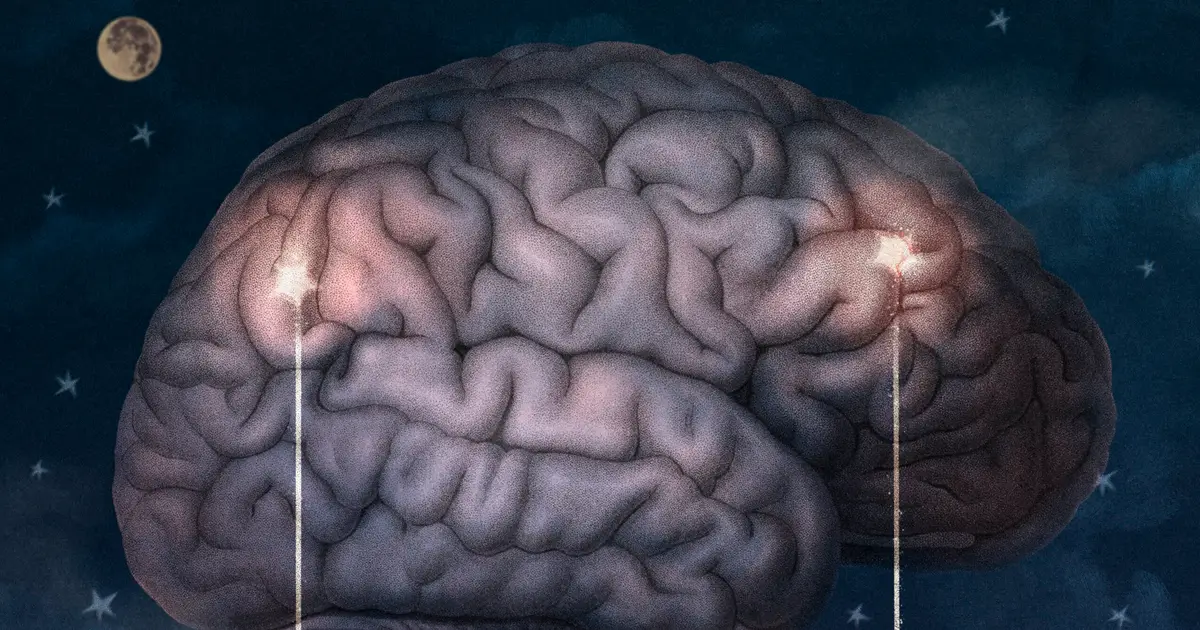
A study published Sept. 9 in Nature challenges the view that the cerebral cortex merely follows deep brain sleep signals. Led by Dr. Renata Batista‑Brito of Icahn School of Medicine at Mount Sinai, the research shows that rare cortical neurons can actively synchronize brain activity and promote sleep in mice. This finding suggests the cortex plays a direct role in initiating sleep, expanding the traditional model that attributes sleep control solely to deeper brain structures.
AI summaries can be wrong sometimes—always verify important details using the source article.
How AI & Automation are usedMore from Health
Continue reading recent Health coverage
- DR Congo's worst Ebola epidemic ever passes 7,000 casesContinue reading
- Training nurses like athletesContinue reading
- Trial supports MRI surveillance over preventive brain radiation in small-cell lung cancerContinue reading
- Simple perception test can accurately predict success of laser surgery for age-related vision lossContinue reading
Support HappeningNow
Independent AI-powered news analysis is reader-supported. Your contribution helps cover infrastructure, summaries, and continued platform development.
Support HappeningNow