
Science · 1 views
No cities on the moon—there isn't enough water, scientists say
The discovery of water in dark craters at the moon's poles has sparked a "moon rush" to establish bases there, followed by villages, cities and heavy industry. How sustainable is this rush?

AI Summary
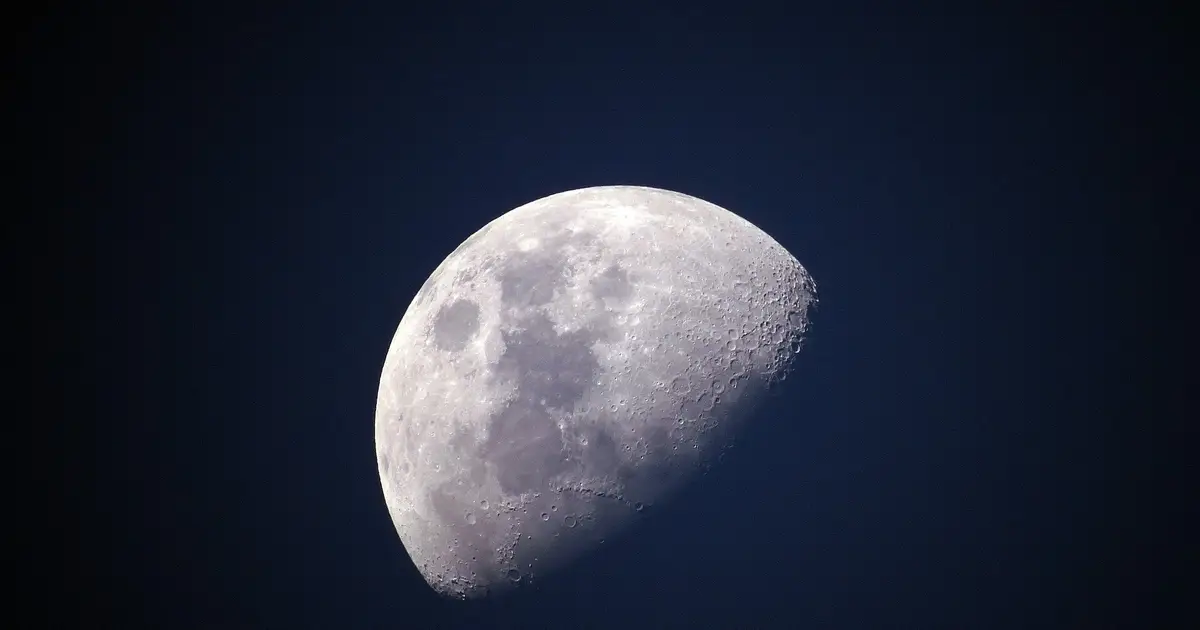
Scientists note that water trapped in permanently shadowed craters at the Moon’s poles has ignited a “moon rush” to build bases, and eventually villages, cities, and heavy industry. The water deposits were uncovered in dark crater floors that have been shielded from direct sunlight for roughly four billion years. Researchers highlight that the Moon’s early history of asteroid bombardment created the pockmarked terrain that now hosts these shadowed basins. The sustainability of such extensive development remains uncertain, given the limited water availability.
AI summaries can be wrong sometimes—always verify important details using the source article.
How AI & Automation are usedMore from Science
Continue reading recent Science coverage
- Lifelong Deafness Could Rewire a Person's Peripheral VisionContinue reading
- This Subtle Change to Your Fingernails Can Be a Sign of Hidden DiseaseContinue reading
- Consumers demand transparency, but is it rewarded?Continue reading
- JWST ruled out finding tiny moons around an exoplanet—that's great newsContinue reading
Support HappeningNow
Independent AI-powered news analysis is reader-supported. Your contribution helps cover infrastructure, summaries, and continued platform development.
Support HappeningNow