
Health · 1 views
New mechanism reveals how atypical E. coli maintain their ability to infect
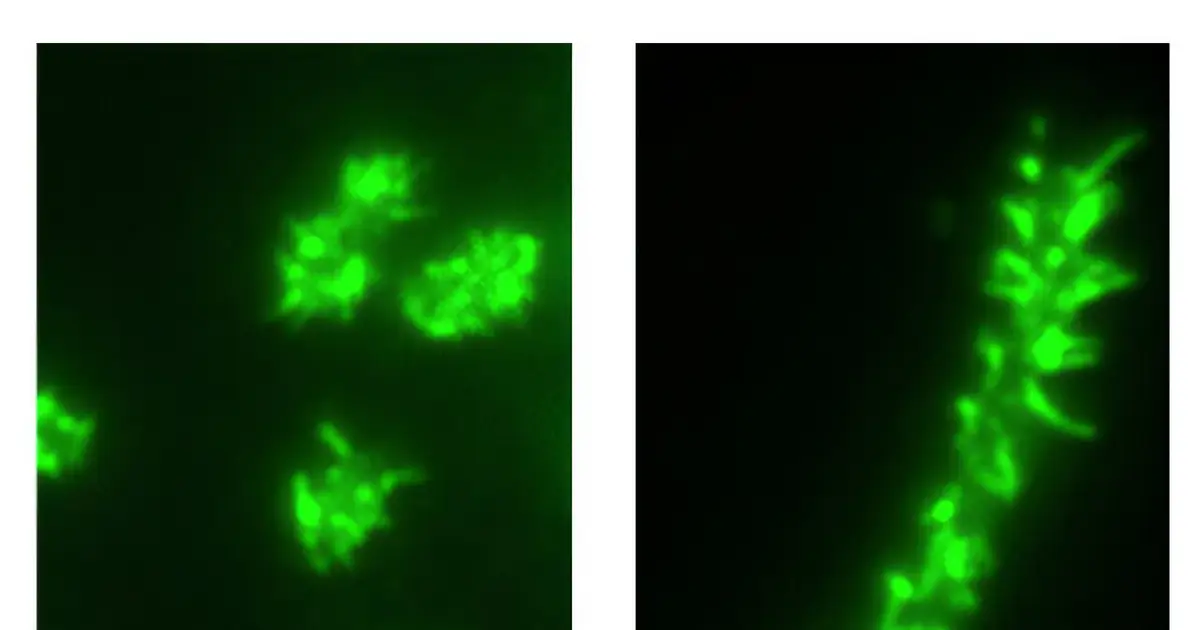
A new study shows how a type of disease-causing E. coli can quickly adapt when it loses one of its main ways of attaching to the intestine.

Summary
A new study shows how a type of disease-causing E. coli can quickly adapt when it loses one of its main ways of attaching to the intestine. The bacteria either change shape or make small changes to a protein that strengthens their grip on human cells. The findings help explain why these strains can still cause illness and identify a possible target for future treatments that could stop infection by preventing bacteria from attaching in the first place.
AI summaries can be wrong sometimes—always verify important details using the source article.
How AI & Automation are usedMore from Health
Continue reading recent Health coverage
- Japanese hinoki root essential oil may support better sleep at homeContinue reading
- Ferritin face: the new health scare taking social media by stormContinue reading
- WHO expresses cautious optimism about bid to control Ebola outbreak in DRCContinue reading
- Fecal microbial signatures show promise for colorectal and pancreatic cancer assessmentContinue reading
Support HappeningNow
Independent AI-powered news analysis is reader-supported. Your contribution helps cover infrastructure, summaries, and continued platform development.
Support HappeningNow