
Health · 1 views
Engineered mice give human brain organoids space to form working circuits
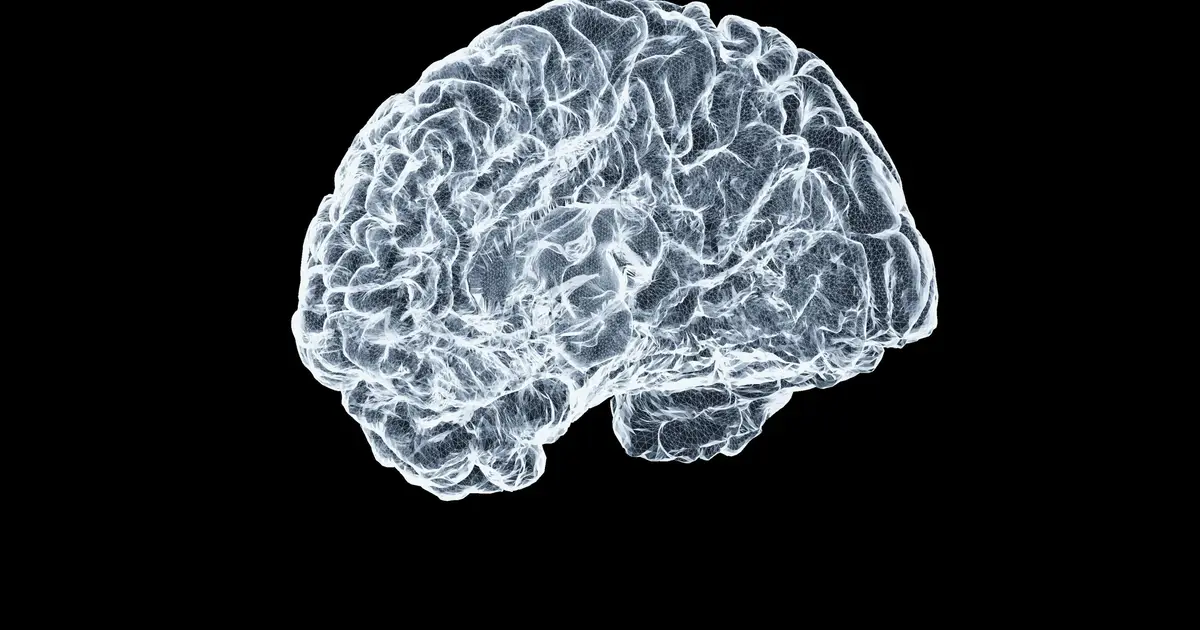
Stanford Medicine scientists have chalked up a major advance in growing human brain cells outside the human brain—and outside laboratory glassware.

AI Summary
Stanford Medicine researchers have engineered mice that provide a physical environment for human brain organoids to develop functional neural circuits. The study shows that the organoids can grow and connect outside both the human brain and traditional laboratory glassware. By using the engineered mice as a scaffold, the scientists created a space that supports the formation of working neural networks. The findings will be published online in September.
AI summaries can be wrong sometimes—always verify important details using the source article.
How AI & Automation are usedMore from Health
Continue reading recent Health coverage
- Fecal microbial signatures show promise for colorectal and pancreatic cancer assessmentContinue reading
- The families facing a food crisis in school holidays | LettersContinue reading
- The 'apex predator' of fires choking south-east Asia - podcastContinue reading
- Mice with human brain cells offer a tool to study disease. Ethicists ask: What's next?Continue reading
Support HappeningNow
Independent AI-powered news analysis is reader-supported. Your contribution helps cover infrastructure, summaries, and continued platform development.
Support HappeningNow