
Science · 69 views
How an interstellar comet sheds light on universe's 'cosmic noon'
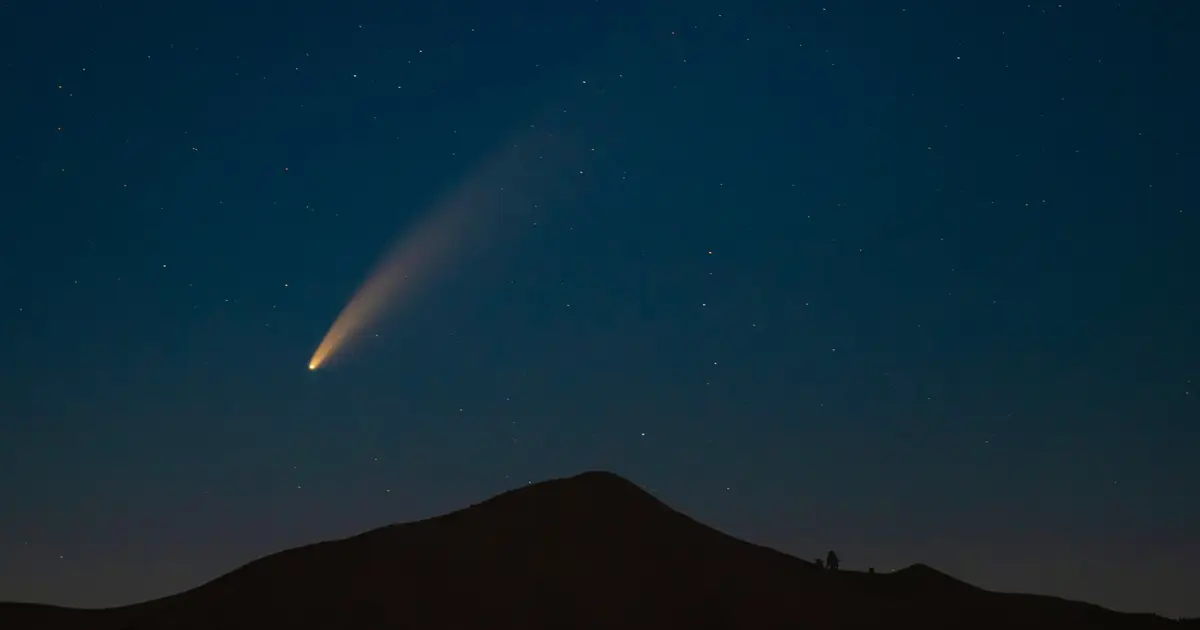
Last year, an interstellar traveler entered our solar system.

AI Summary
A recent NASA analysis of the interstellar comet 3I/Atlas has provided new insights into the comet's origins. The comet's composition and structure are offering clues about the universe's "cosmic noon," a period in the distant past when galaxies were actively forming stars. The analysis suggests that the comet's material is a remnant from this era, providing a unique window into the universe's history. The findings are significant because they offer a tangible connection to the distant past, allowing scientists to study the composition and evolution of galaxies in a way that would be impossible through other means.
AI summaries can be wrong sometimes—always verify important details using the source article.
How AI & Automation are usedMore from Science
Continue reading recent Science coverage
- Cleaner brick kilns cut pollution, but gains did not reach workers, research findsContinue reading
- A 1,000-mile cloud on Mars may reveal physics never seen in natureContinue reading
- Ice sheet expansion may have started 2,000 years ago, but we canceled thatContinue reading
- Swinging virtual lightsabers and punching improve pattern-based learning in VR testsContinue reading
Support HappeningNow
Independent AI-powered news analysis is reader-supported. Your contribution helps cover infrastructure, summaries, and continued platform development.
Support HappeningNow