
Science · 52 views
Why climate change could make staple crops less nutritious—and how CRISPR may help
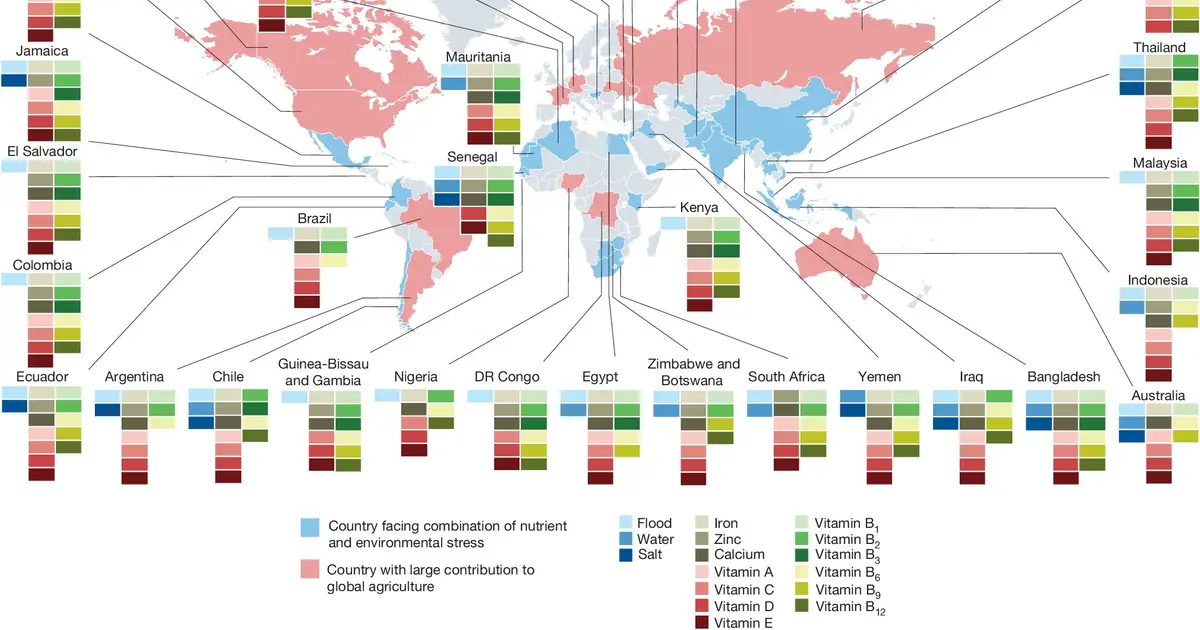
At present, more than 700 million people live with caloric hunger, and more than 2 billion suffer from micronutrient deficiencies, known as "hidden hunger.

AI Summary
Climate change is expected to impact the nutritional value of staple crops, potentially exacerbating existing micronutrient deficiencies. The relationship between climate change and crop nutrition is complex, with rising temperatures and altered growing conditions affecting the nutrient content of staple foods. This development is significant given the prevalence of micronutrient deficiencies worldwide. Research into CRISPR technology may offer a potential solution to this issue, with scientists exploring its application in improving the nutritional quality of staple crops.
AI summaries can be wrong sometimes—always verify important details using the source article.
How AI & Automation are usedCoverage Context
More from Science
Continue reading recent Science coverage
- CRISPR is now being used to control genes, not just edit themContinue reading
- At 100, Dick Van Dyke Credits His Longevity to One Habit, And Science Supports ItContinue reading
- Researchers explore the use of AI and smart sensors to improve food safety quickly, affordablyContinue reading
- Astronomers Detect Evidence of Vast Tunnels Beneath The Surface of The MoonContinue reading
Support HappeningNow
Independent AI-powered news analysis is reader-supported. Your contribution helps cover infrastructure, summaries, and continued platform development.
Support HappeningNow