
Science · 40 views
Tiny worms reveal backup circuits that keep survival reflexes from failing
A research team led by Professor Chaogu Zheng from the School of Biological Sciences at the University of Hong Kong (HKU), in collaboration with scientists from Princeton University and Columbia University, has discovered how…

Summary
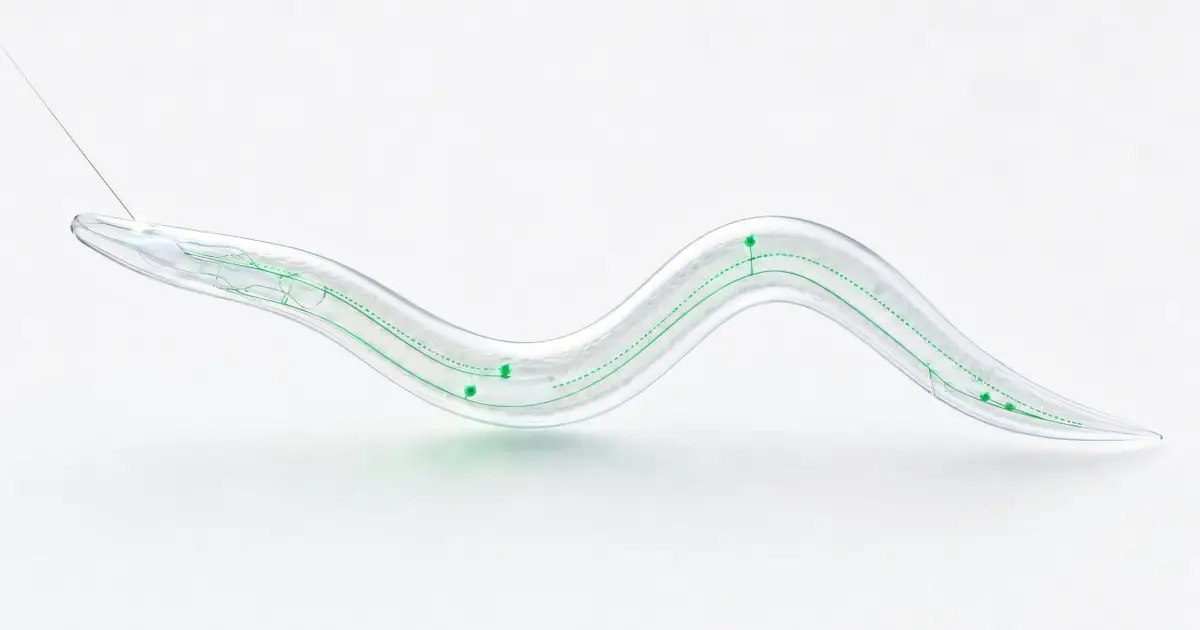
A research team led by Professor Chaogu Zheng from the School of Biological Sciences at the University of Hong Kong (HKU), in collaboration with scientists from Princeton University and Columbia University, has discovered how sensory-motor circuits—nerve circuits that turn sensory signals into reflex actions—remain reliable even when some genes or neural connections are disrupted. Using the gentle touch reflex of the nematode Caenorhabditis elegans (C. elegans) as a model, the team found that this essential survival response is not controlled by a single biological component.
AI summaries can be wrong sometimes—always verify important details using the source article.
How AI & Automation are usedMore from Science
Continue reading recent Science coverage
- Surveying the genetic battlefield to uncover the rules of rapid evolutionContinue reading
- NASA's Perseverance Just Broke The Off-World Driving Record, While Mostly Steering ItselfContinue reading
- Physically Touching Your Dog Can Help Protect You From Upcoming Stress, Study SuggestsContinue reading
- Power cuts and sleep: Students link load shedding to anxiety, disrupted rest and lower gradesContinue reading
Support HappeningNow
Independent AI-powered news analysis is reader-supported. Your contribution helps cover infrastructure, summaries, and continued platform development.
Support HappeningNow