
Health
These tiny genetic fragments may be critical for telling a brain when to rest
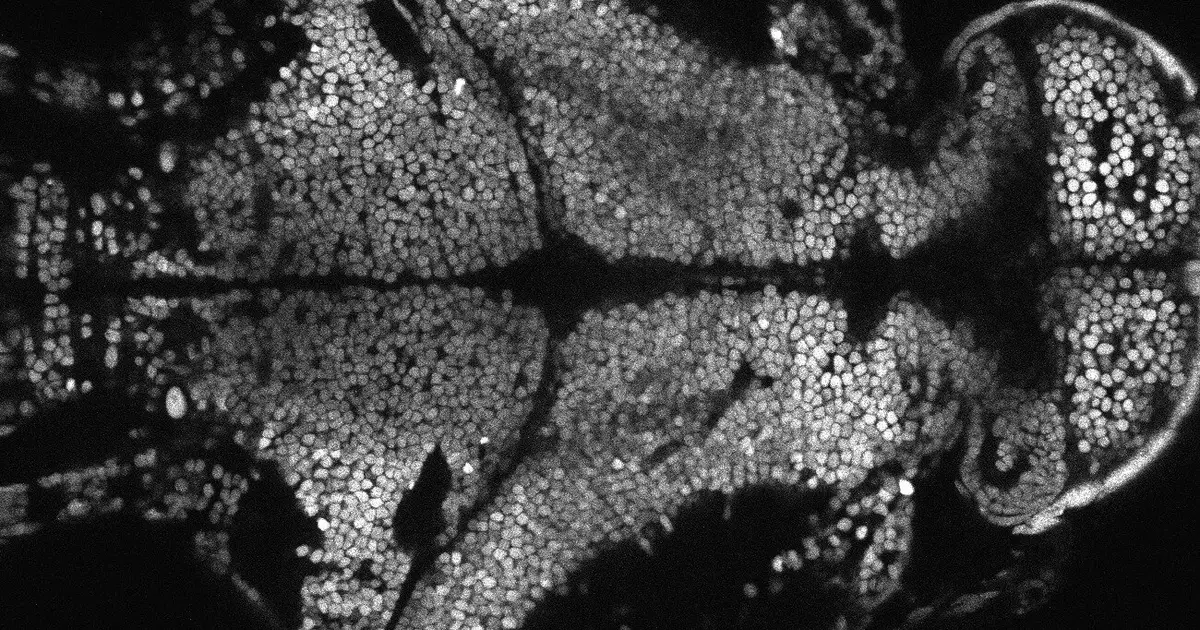
The altered presence of tiny fragments of neuronal genes, called microexons, causes hyperarousal in zebrafish.

AI Summary
Research has identified tiny genetic fragments, known as microexons, that may play a crucial role in regulating rest in the brain. These microexons, found in neuronal genes, have been linked to hyperarousal in zebrafish, according to an international study. The study found that an abnormal pattern of neural microexon presence leads to a heightened state of alertness. The significance of this discovery lies in its potential to shed light on the mechanisms underlying rest and arousal in the brain. Further research is needed to fully understand the implications of microexons in brain function.
AI summaries can be wrong sometimes—always verify important details using the source article.
How AI & Automation are usedMore from Health
Continue reading recent Health coverage
- Young-onset type 2 diabetes in Germany linked to socioeconomic and migration disparitiesContinue reading
- New method makes AI brain-disorder screening more transparent and computationally efficientContinue reading
- Every extra 100 grams of ultra-processed food linked to higher disease risksContinue reading
- Blinatumomab improves event-free survival in children with high-risk B-cell ALLContinue reading
Support HappeningNow
Independent AI-powered news analysis is reader-supported. Your contribution helps cover infrastructure, summaries, and continued platform development.
Support HappeningNow