
Science
Sheep grazing may pose greater threat to Scotland's wild pollinators than honey bees
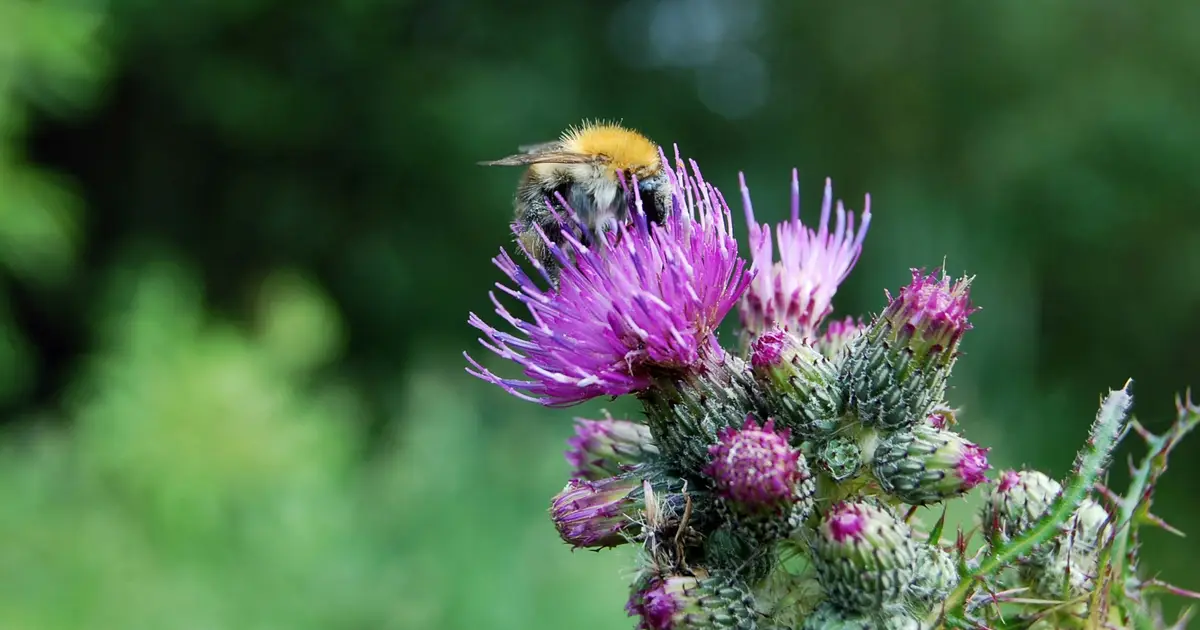
Sheep grazing, rather than honey bees, could be the bigger threat to wild pollinators on Scotland's moorlands, according to a new University of Bristol-led study.

AI Summary
A University of Bristol‑led study published in the Journal of Applied Ecology finds that spring sheep grazing on Scotland’s moorlands removes much of the nectar bumblebees rely on, posing a greater risk to wild pollinators than commercial honey‑bee hives. The research shows that hives placed during the summer heather flowering period have a comparatively minor effect on nectar availability. These results suggest that managing grazing intensity in spring could be crucial for protecting native pollinator populations.
AI summaries can be wrong sometimes—always verify important details using the source article.
How AI & Automation are usedMore from Science
Continue reading recent Science coverage
- RHIC data reveal intriguing dip in momentum fluctuations in high-density nuclear matterContinue reading
- Light beam 'swims' upstream through a quantum fluid by violating Newton's third lawContinue reading
- How turning electricity directly into food could help save the planetContinue reading
- The mosquito's transition from vegan to bloodsucker explainedContinue reading
Support HappeningNow
Independent AI-powered news analysis is reader-supported. Your contribution helps cover infrastructure, summaries, and continued platform development.
Support HappeningNow