
Science
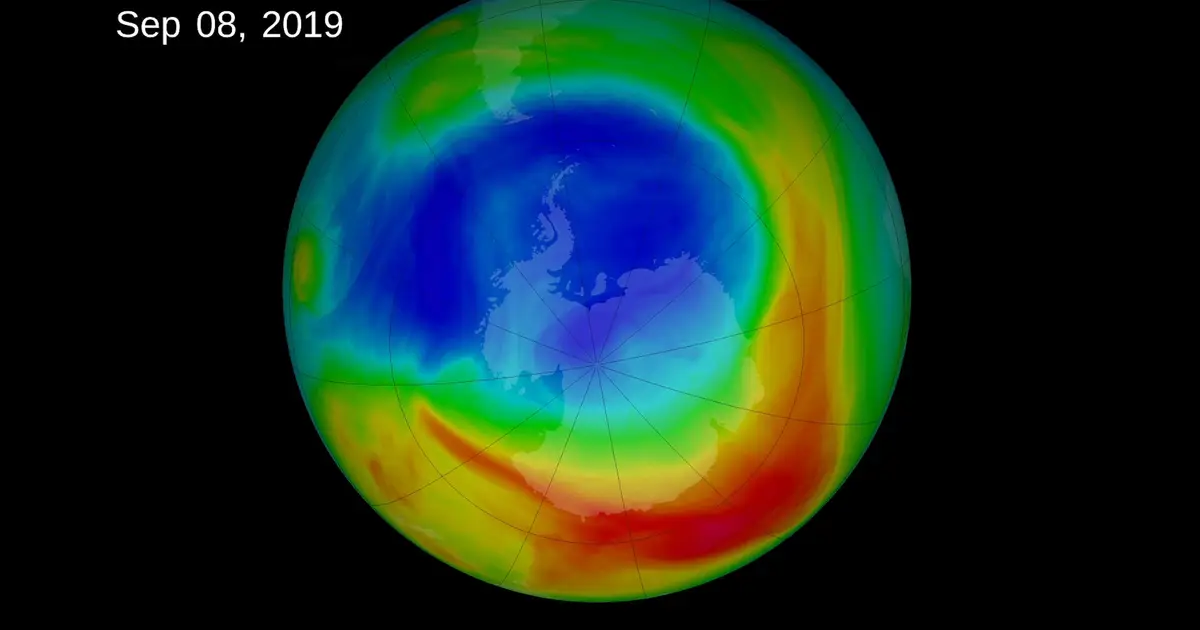
September's ozone hole was the biggest in 20 years
The area covered by the Antarctic ozone hole peaked at more than 27 million square kilometers (10.4 million square miles) in September, the second-largest area ever observed for this time of year.

Summary
The area covered by the Antarctic ozone hole peaked at more than 27 million square kilometers (10.4 million square miles) in September, the second-largest area ever observed for this time of year. We first predicted a severe ozone hole in May this year , when we observed changes in atmospheric circulation.
AI summaries can be wrong sometimes—always verify important details using the source article.
How AI & Automation are usedMore from Science
Continue reading recent Science coverage
- Strategically placed garden plants offer a low-cost way to cool homes in summerContinue reading
- Nigeria faces world's highest projected heat death toll from super El NiñoContinue reading
- Think you know how long you'll wait? Research says think again.Continue reading
- Is China catching up to the US and SpaceX on reusable rockets?Continue reading
Support HappeningNow
Independent AI-powered news analysis is reader-supported. Your contribution helps cover infrastructure, summaries, and continued platform development.
Support HappeningNow