
Science · 16 views
Satellites reveal when toxic algal blooms flare in Blue Mesa Reservoir
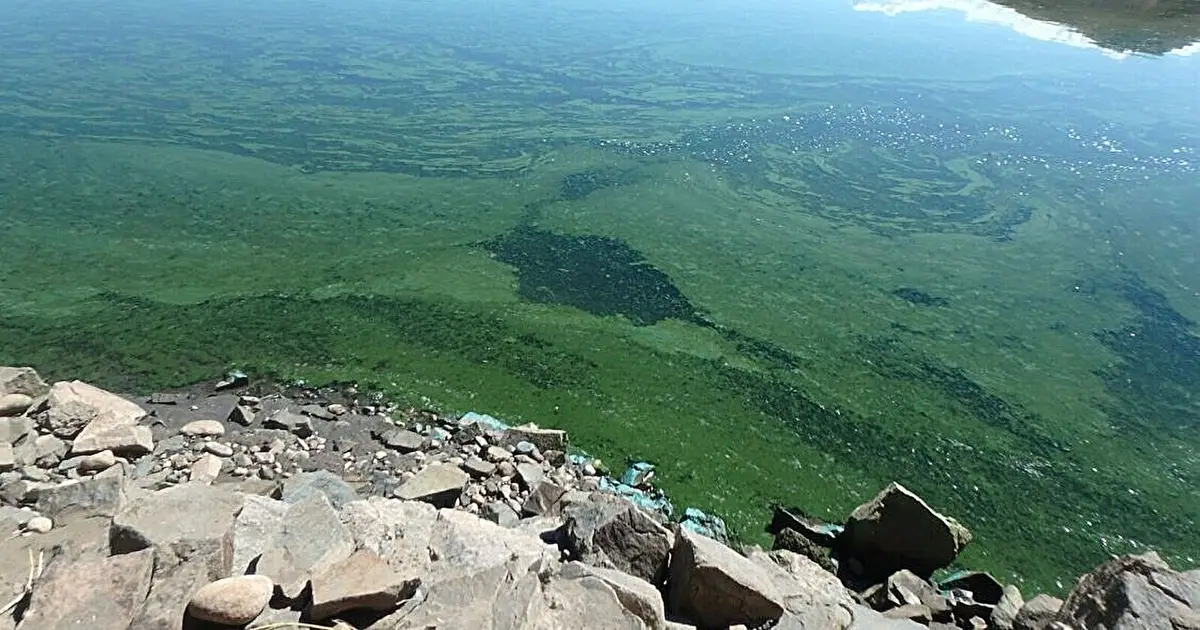
The summers of 2021 and 2022 were tough seasons for Colorado's Blue Mesa Reservoir. A severe drought gripped much of the western U.S., prompting emergency water releases that brought the reservoir to its lowest level since 1984.

AI Summary
Researchers have used satellite data to identify patterns in toxic algal blooms in Blue Mesa Reservoir. The analysis revealed that these blooms tend to occur during specific periods, which could aid in early warning systems and management strategies for the reservoir. This information may help mitigate the negative impacts associated with toxic algal blooms, such as water quality degradation and potential harm to aquatic life.
AI summaries can be wrong sometimes—always verify important details using the source article.
How AI & Automation are usedMore from Science
Continue reading recent Science coverage
- Superfluid qubit could help scale up quantum computersContinue reading
- Scientists discover a powerful new antivenom hidden in rattlesnake bloodContinue reading
- Big supernova dataset challenges dark energy theoryContinue reading
- Scientists Uncover a Surprising Gut Connection in Fatal AsthmaContinue reading
Support HappeningNow
Independent AI-powered news analysis is reader-supported. Your contribution helps cover infrastructure, summaries, and continued platform development.
Support HappeningNow