
Science · 4 views
Roman-era 'frog feast' near Cambridge was the work of owls, bone analysis suggests
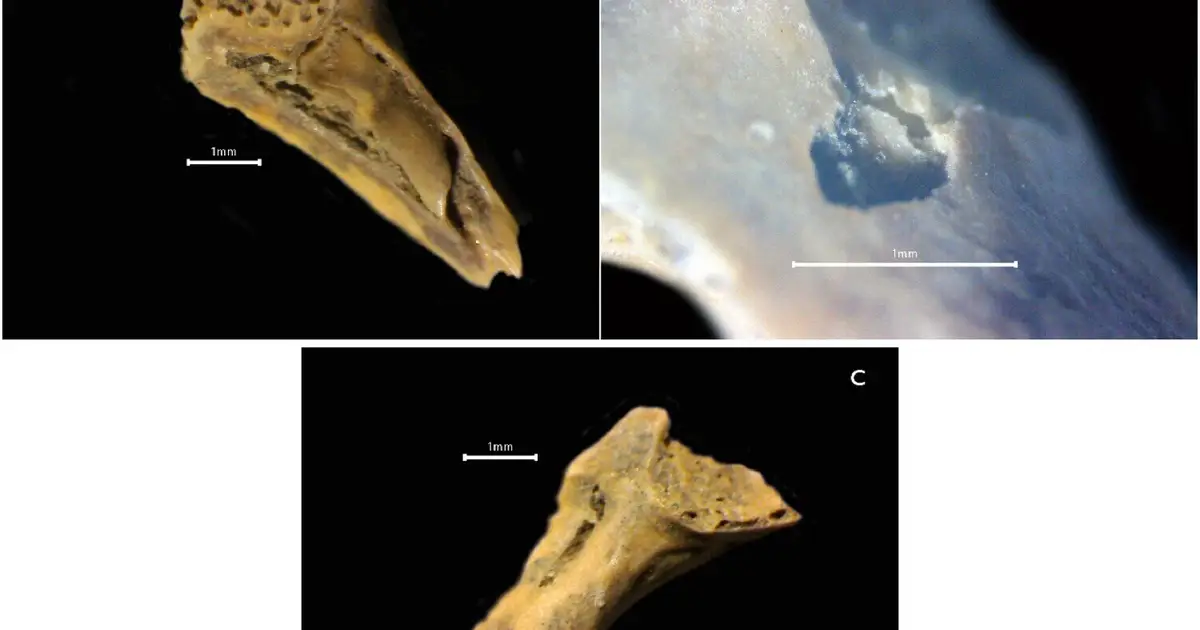
Around 1,800 years ago, over 9,000 bones, mainly from frogs, ended up in an Iron Age/Roman gully near Cambridge. When archaeologists first dug them up, speculation soon followed.

Summary
Around 1,800 years ago, over 9,000 bones, mainly from frogs, ended up in an Iron Age/Roman gully near Cambridge. When archaeologists first dug them up, speculation soon followed. Were these the remains of a Roman frog feast or perhaps the skeletal aftermath of a ritual? Now a new study published in Environmental Archaeology has examined the remains and found they resulted from a feast, but not a human one.
AI summaries can be wrong sometimes—always verify important details using the source article.
How AI & Automation are usedMore from Science
Continue reading recent Science coverage
- Tattoos Affect Your Immune System in Ways Scientists Are Only Beginning to UnderstandContinue reading
- India pollution monitors overwhelmed by toxic smogContinue reading
- Voyager is one light day away from us. Here’s what it discovered on its epic journeyContinue reading
- Scientists Discover Two Remarkably Untouched Worlds Hidden in The PacificContinue reading
Support HappeningNow
Independent AI-powered news analysis is reader-supported. Your contribution helps cover infrastructure, summaries, and continued platform development.
Support HappeningNow