
Health · 3 views
Reprogramming tumor microenvironment could improve prospects for treatment of pancreatic cancer
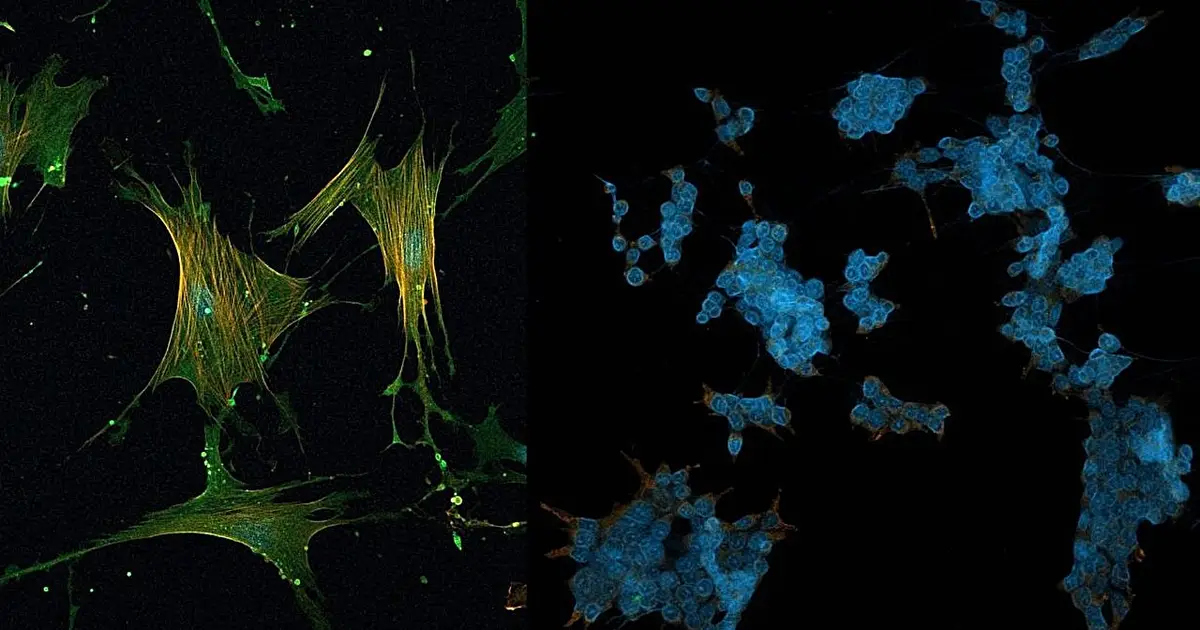
Pancreatic cancer is one of the most aggressive and difficult-to-treat cancers. One reason for its resistance to therapy is the dense tissue surrounding the tumor that acts as a protective barrier and suppresses the immune response.

AI Summary
Pancreatic cancer is highly aggressive and hard to treat because the tumor is surrounded by dense tissue that blocks therapy and dampens immune activity. This surrounding tissue, called the tumor microenvironment, can make up to 90 % of the tumor mass and includes supporting cells, blood vessels, and immune cells. Cancer‑associated fibroblasts (CAFs) are mutated connective‑tissue cells that form scar‑like structures and actively suppress the body’s immune response. Their activity promotes tumor growth and spread, rendering many immunotherapies that work for other cancers ineffective.
AI summaries can be wrong sometimes—always verify important details using the source article.
How AI & Automation are usedMore from Health
Continue reading recent Health coverage
- Tegoprubart preserves kidney function better than tacrolimus in first-time transplant patients, trial suggestsContinue reading
- Melanoma vaccine reduces death or cancer recurrence by 42%Continue reading
- Chinese Drug Shows Benefit in HER2-Low Breast CancerContinue reading
- Type of Menopause Hormone Therapy Tied to Small Autoimmune Disease RiskContinue reading
Support HappeningNow
Independent AI-powered news analysis is reader-supported. Your contribution helps cover infrastructure, summaries, and continued platform development.
Support HappeningNow