
Science · 5 views
Rare 2,500-year-old iron bars from Germany help trace Celtic Europe's most widespread ingots
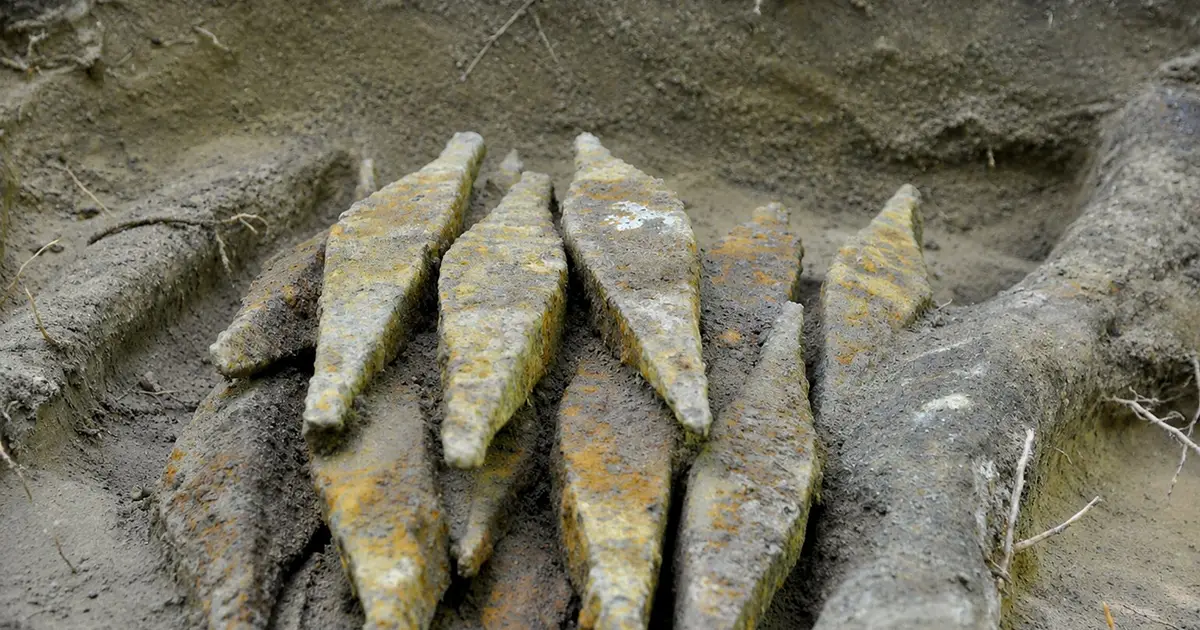
In the Early Iron Age, deep within a forest, someone dug a pit into the sandy soil. Then they took 20 iron bars, called ingots, each half a meter (1.6 feet) long and weighing around 5 kg (11 pounds), and left them there.

Summary
In the Early Iron Age, deep within a forest, someone dug a pit into the sandy soil. Then they took 20 iron bars, called ingots, each half a meter (1.6 feet) long and weighing around 5 kg (11 pounds), and left them there. Whoever it was, they never came back to retrieve them. Over 2,000 years later, archaeologists rediscovered the deposit.
AI summaries can be wrong sometimes—always verify important details using the source article.
How AI & Automation are usedMore from Science
Continue reading recent Science coverage
- Tiny black holes could have heated the early universe more quietly than expectedContinue reading
- Lyme Disease Bacteria Leaves Lasting Immune Changes in Bone Marrow of Mice, Study FindsContinue reading
- Proposed experiment with ultracold atoms could settle a decades-old debate about quantum particle arrival timesContinue reading
- One Small Change to a Keto Diet Flipped Weight Loss Into Weight Gain in MiceContinue reading
Support HappeningNow
Independent AI-powered news analysis is reader-supported. Your contribution helps cover infrastructure, summaries, and continued platform development.
Support HappeningNow