
Science · 5 views
Octopus and cuttlefish suckers may have evolved by repurposing ancient developmental genes
Cephalopods, like the octopus, have specialized arms and suckers, but how these structures evolved from the simple bodies of their mollusk ancestors remains a mystery.

AI Summary
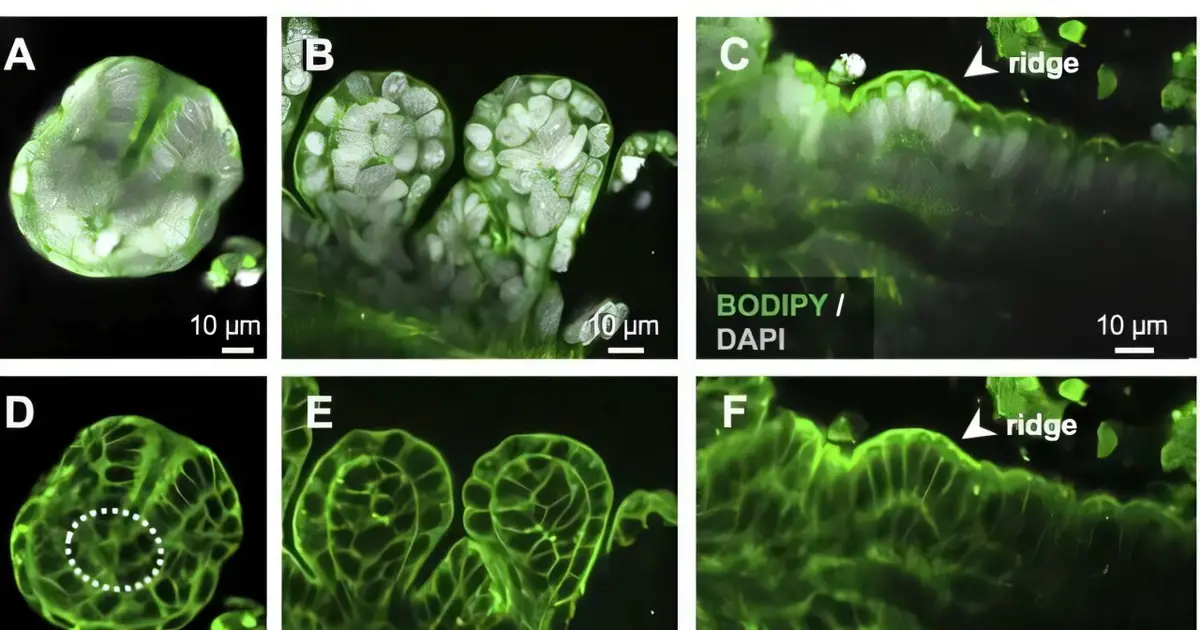
Researchers from the University of Tokyo compared gene activity during embryonic development in cuttlefish, octopus, and snail body parts. They found that genes linked to appendage patterning were expressed along developing cephalopod arms, but similar patterns were absent in developing suckers. Instead, suckers expressed the gene Ets1, which is associated with early embryonic development in mollusks. These results suggest that cephalopod suckers evolved by repurposing existing developmental genes rather than by developing new gene expression patterns.
AI summaries can be wrong sometimes—always verify important details using the source article.
How AI & Automation are usedMore from Science
Continue reading recent Science coverage
- Study asks, Who benefits from where hospitals or landfills are located?Continue reading
- Octopus-inspired patch grips skin and reveals pulse through shifting colorsContinue reading
- Ultraprocessed Food May Be Silently Damaging Your Brain's Blood VesselsContinue reading
- Water May Be a Hidden Trigger Behind The Spread of Alzheimer's in The BrainContinue reading
Support HappeningNow
Independent AI-powered news analysis is reader-supported. Your contribution helps cover infrastructure, summaries, and continued platform development.
Support HappeningNow