
Science · 1 view
Nearly 10,000 mapped reactions reveal overlooked steps in CO₂-to-fuel conversion
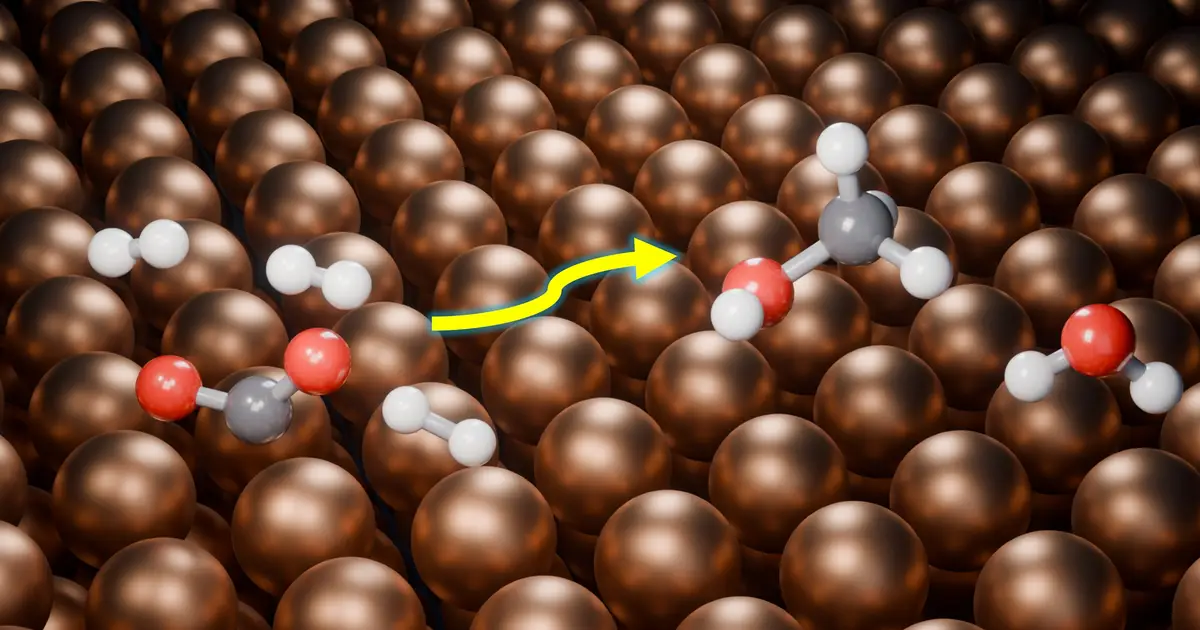
Scientists are increasingly exploring carbon dioxide (CO₂) hydrogenation—where CO₂ reacts with hydrogen over a catalyst to produce products like methanol—to convert CO₂ into useful chemicals and fuels.

AI Summary
Scientists are intensifying research into carbon‑dioxide hydrogenation, a process that combines CO₂ with hydrogen on a catalyst to generate chemicals such as methanol. The reaction proceeds through thousands of microscopic steps that occur on the catalyst’s surface. Mapping nearly 10,000 of these individual reactions has uncovered previously overlooked intermediate stages, highlighting the complexity of the conversion pathway. This detailed insight could inform the design of more efficient catalysts for turning CO₂ into useful fuels.
AI summaries can be wrong sometimes—always verify important details using the source article.
How AI & Automation are usedMore from Science
Continue reading recent Science coverage
- Computer scientist tracks satellites with automated observatory built from off-the-shelf technologyContinue reading
- Common Antidepressants Could Have an Unexpected Role in Cancer SurvivalContinue reading
- Study highlights the European waters at greatest risk of harmful light pollutionContinue reading
- Crystal alignment explains why magnesium alloy plates resist ballistic impacts better in one directionContinue reading
Support HappeningNow
Independent AI-powered news analysis is reader-supported. Your contribution helps cover infrastructure, summaries, and continued platform development.
Support HappeningNow