
Science · 5 views
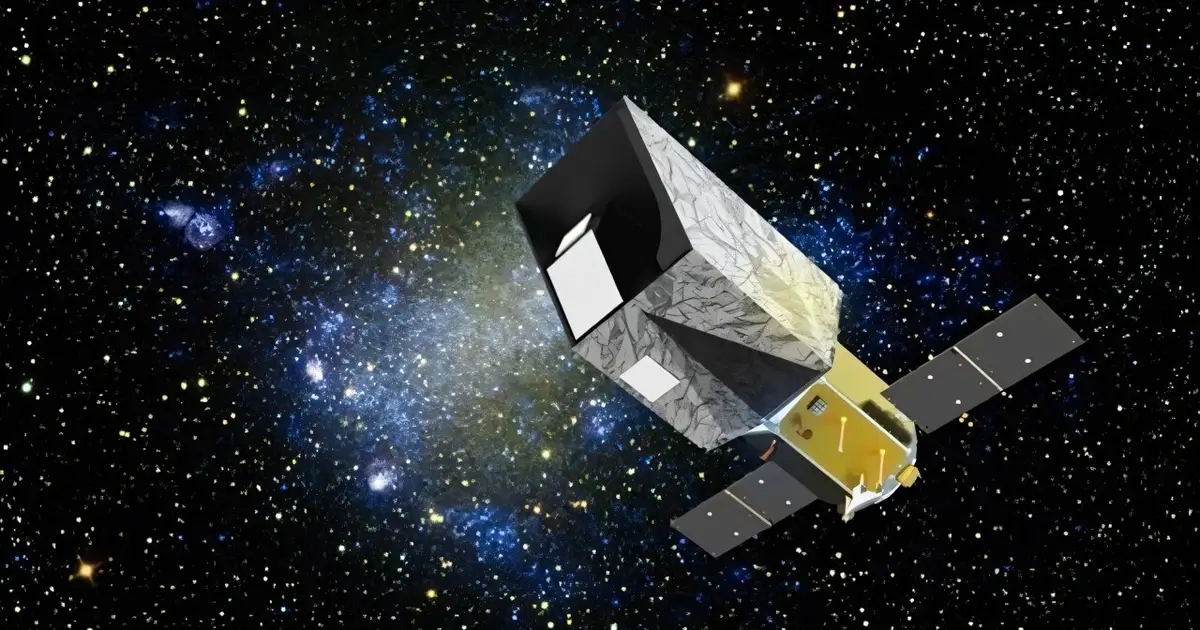
NASA's new UV space telescope will launch in 2031
Most of us could spend our entire lives looking at the night sky and see very few changes.

Summary
Most of us could spend our entire lives looking at the night sky and see very few changes. The moon becomes more or less illuminated, the planets drift placidly through the sky, satellites and the ISS intrude for a few moments at a time, and the bright, momentary streak of a meteor punctuates the occasional evening of stargazing. If we're really lucky, we get a chance to witness one of the prominent comets: a regular visitor like Halley's Comet, or a once-in-several-millennia comet like Hale-Bopp.
AI summaries can be wrong sometimes—always verify important details using the source article.
How AI & Automation are usedMore from Science
Continue reading recent Science coverage
- Cold Triggers a Hidden Molecular Pathway That Extends Lifespan, Study FindsContinue reading
- Keeping one eye open: Veterinarian applies unique treatment to preserve dog's eyesightContinue reading
- Electrical guardrails for charge carriers: A new approach to harness graphene for solar cellsContinue reading
- Chemical recycling turns silicone waste into reusable building blocks with up to 99% yieldContinue reading
Support HappeningNow
Independent AI-powered news analysis is reader-supported. Your contribution helps cover infrastructure, summaries, and continued platform development.
Support HappeningNow