HAPPENING NOW
Science · 1 views
Mostly empty foam overturns assumptions of electron beam stopping
When physicists fire beams of fast electrons at materials, they often need to know exactly how much energy those electrons will lose as they travel through.

AI Summary
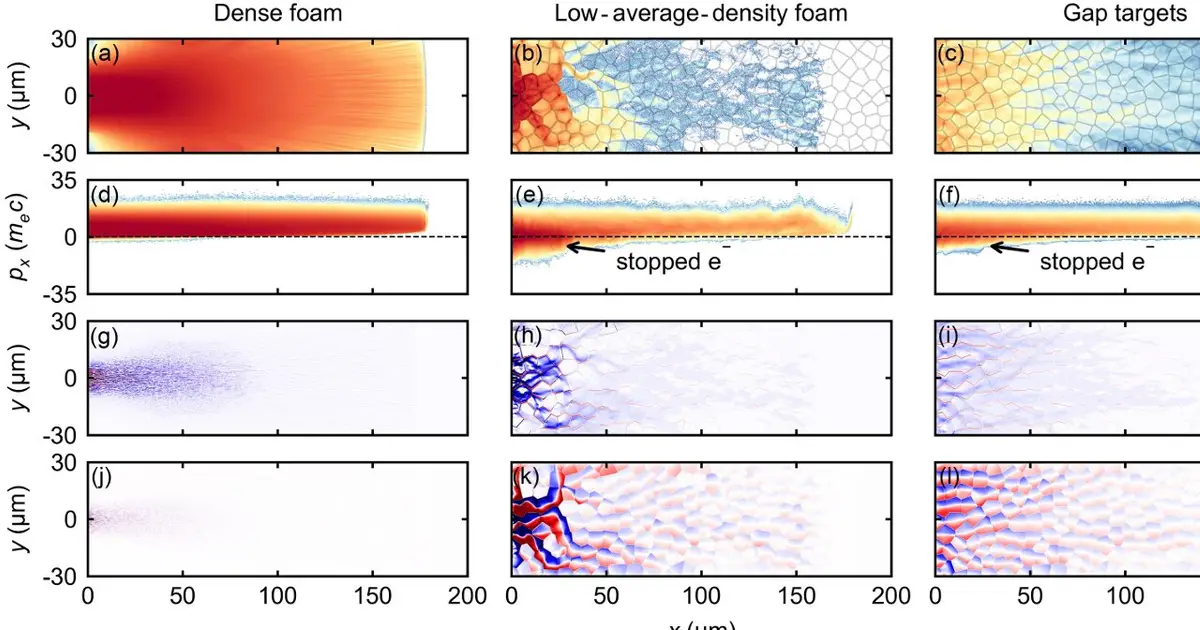
When physicists fire beams of fast electrons at materials, they often need to know exactly how much energy those electrons will lose as they travel through. Through new research published in Physical Review Letters, a team led by Ke Jiang at Shenzhen Technology University in China has found that porous, mostly empty foam materials can stop high-current electron beams far more effectively than denser materials—overturning many previous assumptions about how these beams interact with solid materials.
Read full article on PHYSAI summaries can be wrong sometimes—always verify important details using the source article.
Enjoyed this article? Consider supporting HappeningNow to help keep independent AI-powered news analysis moving forward. Your contribution helps cover infrastructure, AI summaries, and continued platform development.
Support HappeningNow