
Science · 4 views
Long-standing Indigenous practice of adding shells to sand helps young clams withstand ocean acidification
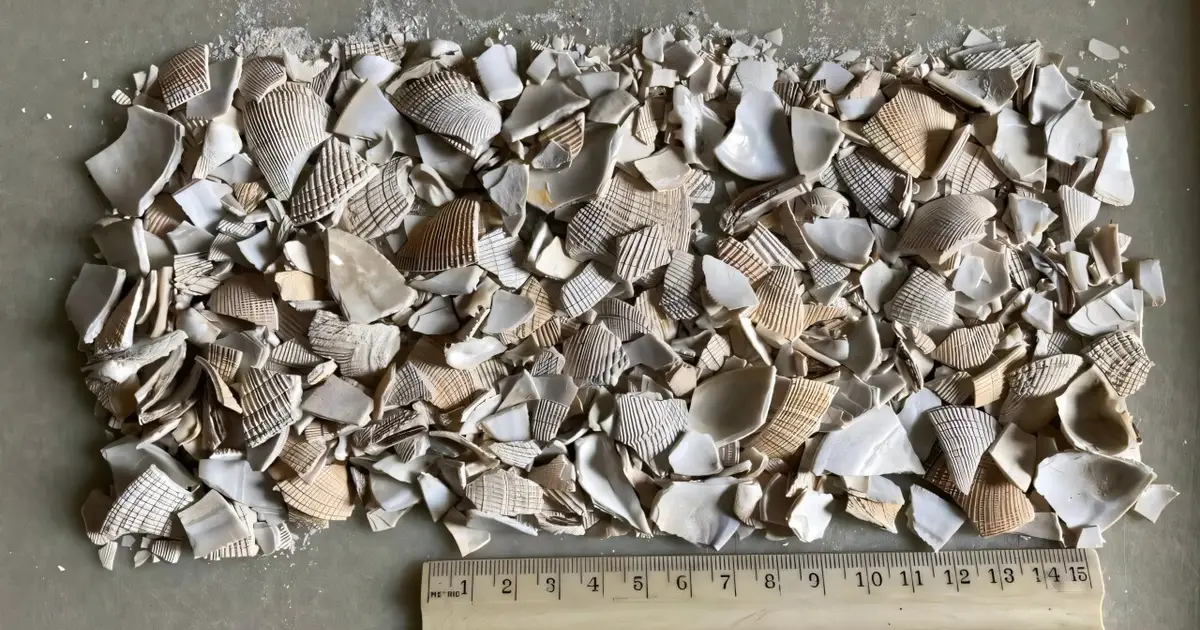
New research from the University of California, Davis, reveals why adding crushed shells to beach sand helps protect shell-making animals—such as clams, oysters and mussels—from the detrimental effects of ocean acidification.

AI Summary
Researchers at UC Davis’s Bodega Marine Laboratory mixed crushed shells, or shell hash, into beach sand and placed baby Pacific littleneck clams in the mixture. Over a 90‑day experiment they tracked the clams’ growth and the surrounding water chemistry. The study, published in *Biogeosciences*, shows that the added shells help protect shell‑forming animals from the harmful effects of ocean acidification.
AI summaries can be wrong sometimes—always verify important details using the source article.
How AI & Automation are usedMore from Science
Continue reading recent Science coverage
- How did the biggest crypto heist in history just happen?Continue reading
- Resident experience matters in estimating neighborhood walkability, study showsContinue reading
- Asking teachers to set high expectations leads to more detailed feedback and reveals subtle bias, study findsContinue reading
- Rocket Report: Winter is coming for Themis; Cowboy Space adds iron to the fireContinue reading
Support HappeningNow
Independent AI-powered news analysis is reader-supported. Your contribution helps cover infrastructure, summaries, and continued platform development.
Support HappeningNow