
Science
Light-driven nickel catalyst forms chemical bonds using less metal
Pharmaceuticals, fine chemicals, and agrochemicals are produced industrially using a wide range of chemical reactions. These processes need to become more efficient, less expensive, and more sustainable.

AI Summary
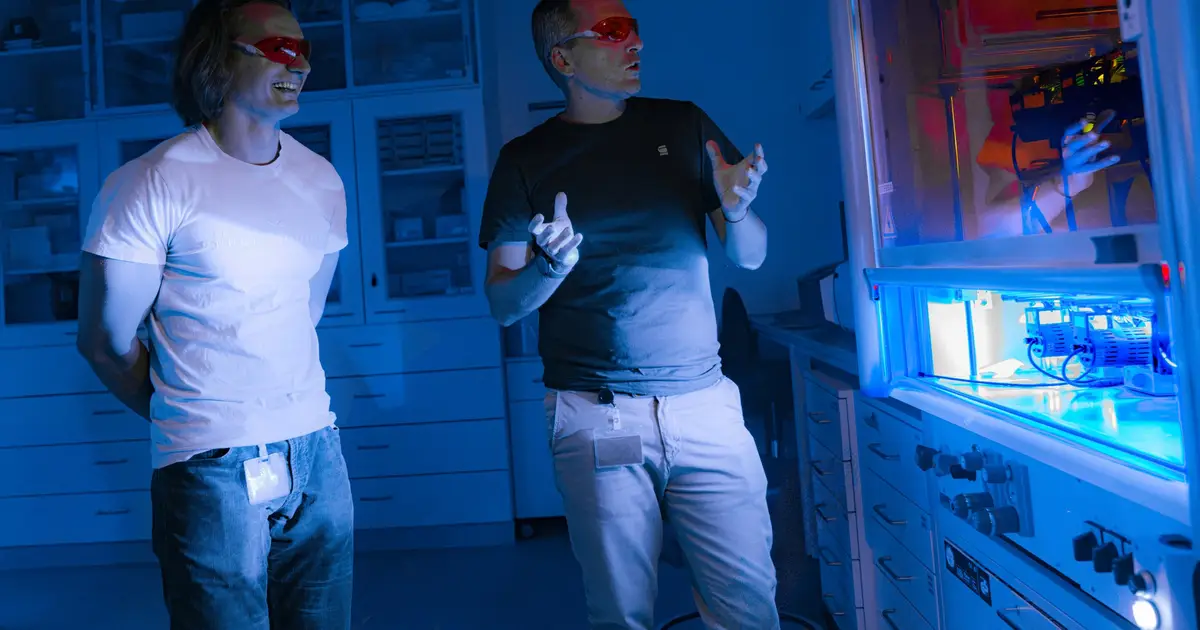
Scientists at the Institute of Science and Technology Austria’s Pieber Lab are testing a new light‑driven nickel catalyst that could make industrial chemical reactions more efficient and sustainable. The catalyst is activated by blue LED lamps that shine through a glass wall onto small reaction vessels. By using less nickel, the process promises to reduce metal waste and lower production costs for pharmaceuticals, fine chemicals, and agrochemicals. The team is evaluating the catalyst’s performance in typical industrial reactions, aiming to demonstrate its practicality for large‑scale synthesis.
AI summaries can be wrong sometimes—always verify important details using the source article.
How AI & Automation are usedMore from Science
Continue reading recent Science coverage
- Primate Communication May Follow Grammar Patterns Once Thought Uniquely HumanContinue reading
- Dyed liquid crystals enable light-only control of optical componentsContinue reading
- LISA to the rescue: Using light to fix cell divisionContinue reading
- New device measures curved mirrors' absolute shape to within 2 nanometers without touching themContinue reading
Support HappeningNow
Independent AI-powered news analysis is reader-supported. Your contribution helps cover infrastructure, summaries, and continued platform development.
Support HappeningNow