
Science
LISA to the rescue: Using light to fix cell division
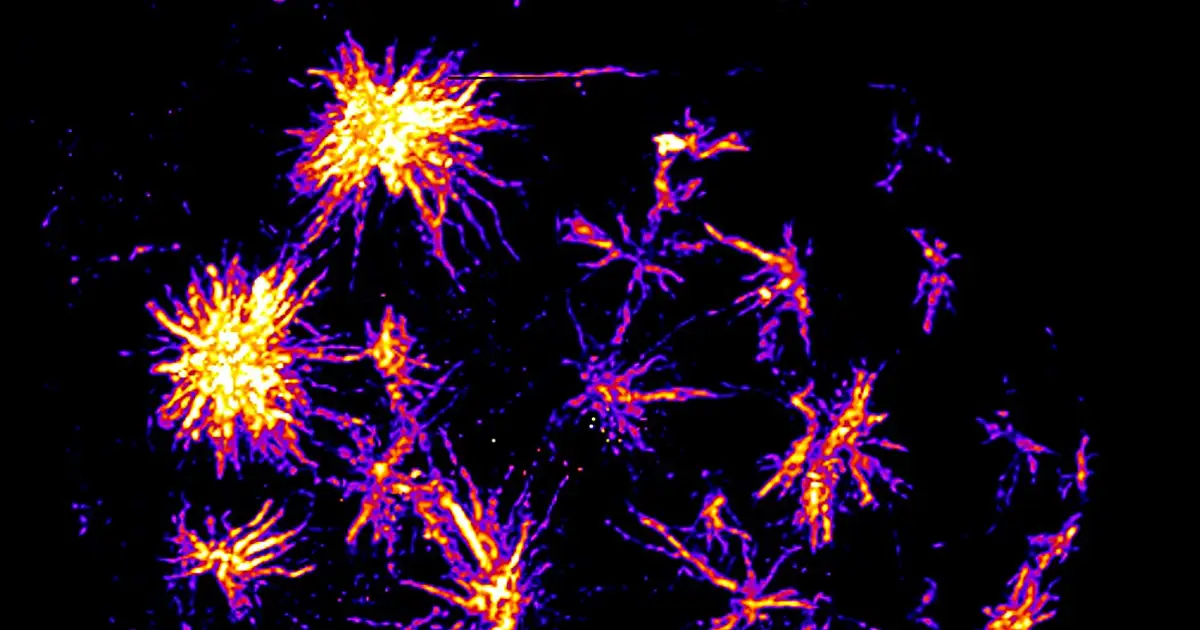
Cell division is a complex process. At the heart of this complexity is a membraneless organelle called the centrosome, which is made up of more than 200 components.

AI Summary
Researchers at the Department of Microbiology and Cell Biology, Indian Institute of Science, have created Light‑Induced Spindle Activation (LISA), a method that can reversibly trigger Aurora A kinase, a crucial centrosomal enzyme for assembling mitotic spindles. The centrosome, a membraneless organelle composed of more than 200 components, clusters these spindle structures to separate genetic material during cell division. LISA enables precise control of spindle formation by activating the kinase with light, addressing long‑standing uncertainty about which centrosome parts are essential for spindle assembly.
AI summaries can be wrong sometimes—always verify important details using the source article.
How AI & Automation are usedCoverage Context
More from Science
Continue reading recent Science coverage
- New device measures curved mirrors' absolute shape to within 2 nanometers without touching themContinue reading
- Mobile crisis response programs get new measures of their impact on police callsContinue reading
- A Change in Your Voice Could Foreshadow Cognitive Decline, Major Study FindsContinue reading
- Arctic infrastructure was built on frozen ground—drones and digital twins can help spot the permafrost thaw comingContinue reading
Support HappeningNow
Independent AI-powered news analysis is reader-supported. Your contribution helps cover infrastructure, summaries, and continued platform development.
Support HappeningNow