
Science · 1 views
Iron, sulfur and purple light unlock greener carbon-carbon bond formation
Much of organic chemistry, including the type used to create and alter medicinal drugs, relies on modifying carbon bonds.

AI Summary
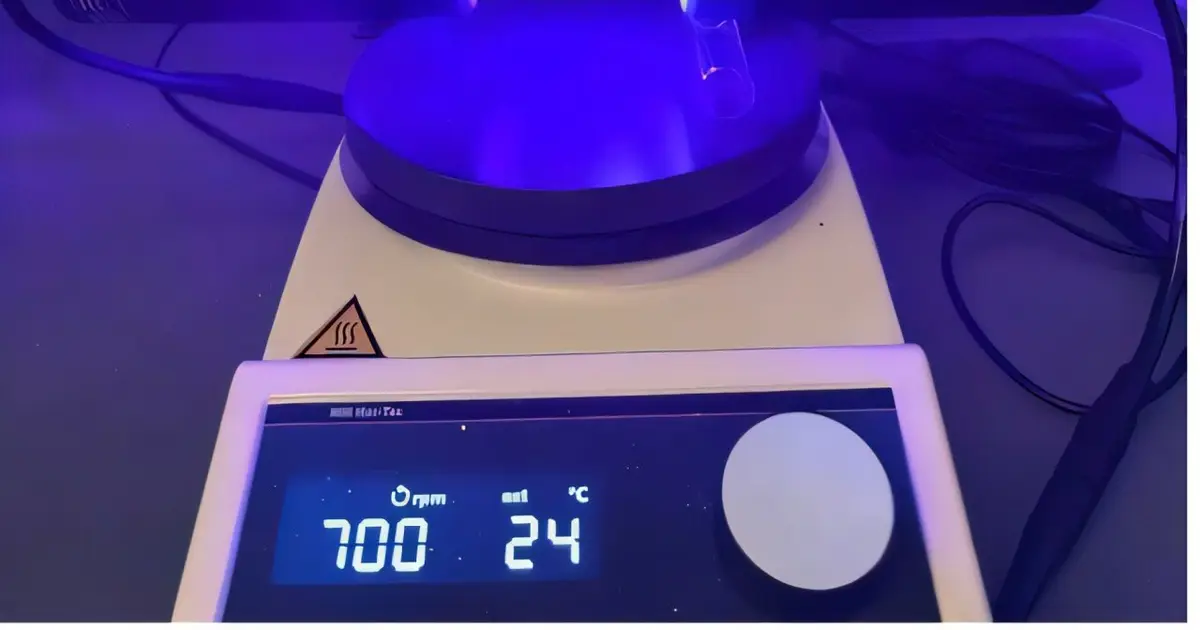
Rice University chemist Julian West has reported a new catalytic method that uses iron, sulfur, and purple light to form carbon‑carbon bonds more cheaply, quickly, and with fewer environmental impacts. The approach, detailed in Nature Catalysis, offers a greener alternative to traditional organometallic catalysts used in drug synthesis and other organic chemistry. West describes the work as that of “molecular architects,” designing catalysts that guide bond formation with greater efficiency. The study demonstrates the potential for scalable, sustainable chemistry in pharmaceutical development.
AI summaries can be wrong sometimes—always verify important details using the source article.
How AI & Automation are usedMore from Science
Continue reading recent Science coverage
- Brazilian sedge reproduces sexually but without DNA reshuffling, producing genetic clonesContinue reading
- Compact optical screen could pave the way for cheaper infrared camerasContinue reading
- The importance of measuring stress in hedgehogs and how a new method could enhance welfareContinue reading
- Earth's Shape Is Changing – Becoming Rounder And Less Round at The Same TimeContinue reading
Support HappeningNow
Independent AI-powered news analysis is reader-supported. Your contribution helps cover infrastructure, summaries, and continued platform development.
Support HappeningNow