
Science · 1 view
Hydra loses its immortality after cold triggers switch to sexual reproduction
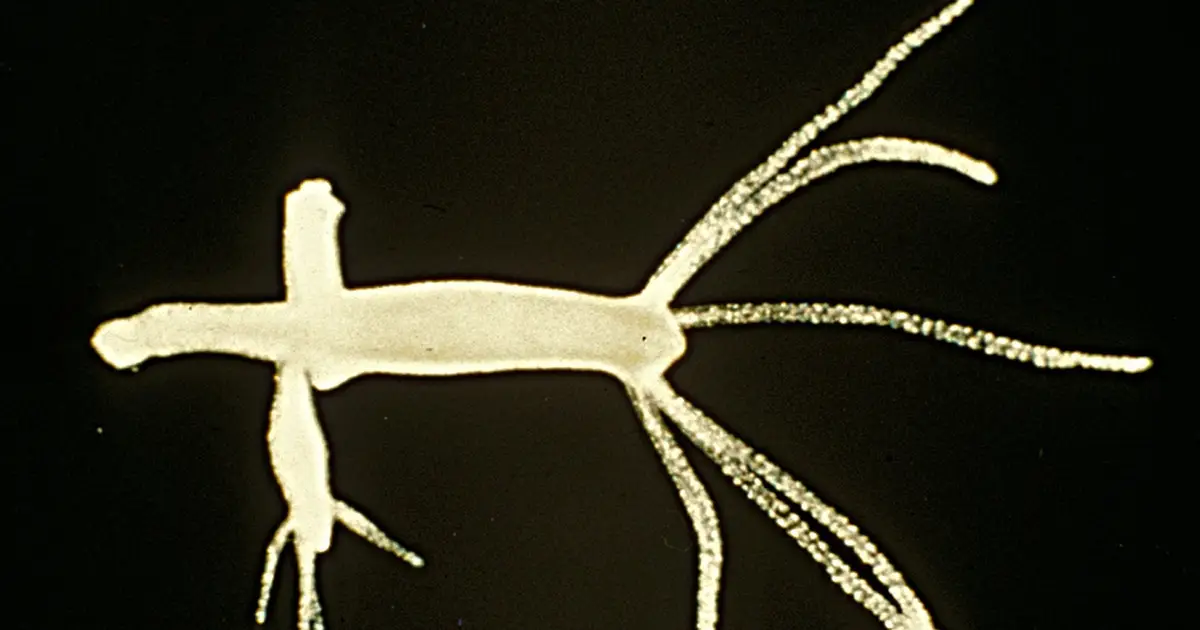
The freshwater polyp Hydra oligactis is essentially immortal and reproduces asexually by cloning itself. Except when it gets too cold: then the animal switches to sexual reproduction, begins to age, and eventually dies.

AI Summary
Researchers at the University of Innsbruck studied the freshwater polyp Hydra oligactis, which normally reproduces asexually and is effectively immortal. They found that exposure to cold triggers a switch to sexual reproduction, initiating aging and eventual death. Metabolic analysis revealed a sharp decline in the amino‑acid taurine during this aging phase. The study links the cold‑induced reproductive shift to specific biochemical changes that underlie the loss of Hydra’s immortality.
AI summaries can be wrong sometimes—always verify important details using the source article.
How AI & Automation are usedMore from Science
Continue reading recent Science coverage
- AI techniques behind image creation improve flash flood forecasts across U.S. river basinsContinue reading
- X-ray technique reveals how quantum materials respond to laser pulses in real timeContinue reading
- Flexible protein gate controls access to mitochondrial folds, simulations suggestContinue reading
- Richer people have an edge when it comes to getting national park permitsContinue reading
Support HappeningNow
Independent AI-powered news analysis is reader-supported. Your contribution helps cover infrastructure, summaries, and continued platform development.
Support HappeningNow