
Science · 44 views
How competing reproductive needs shaped the evolution of liverworts
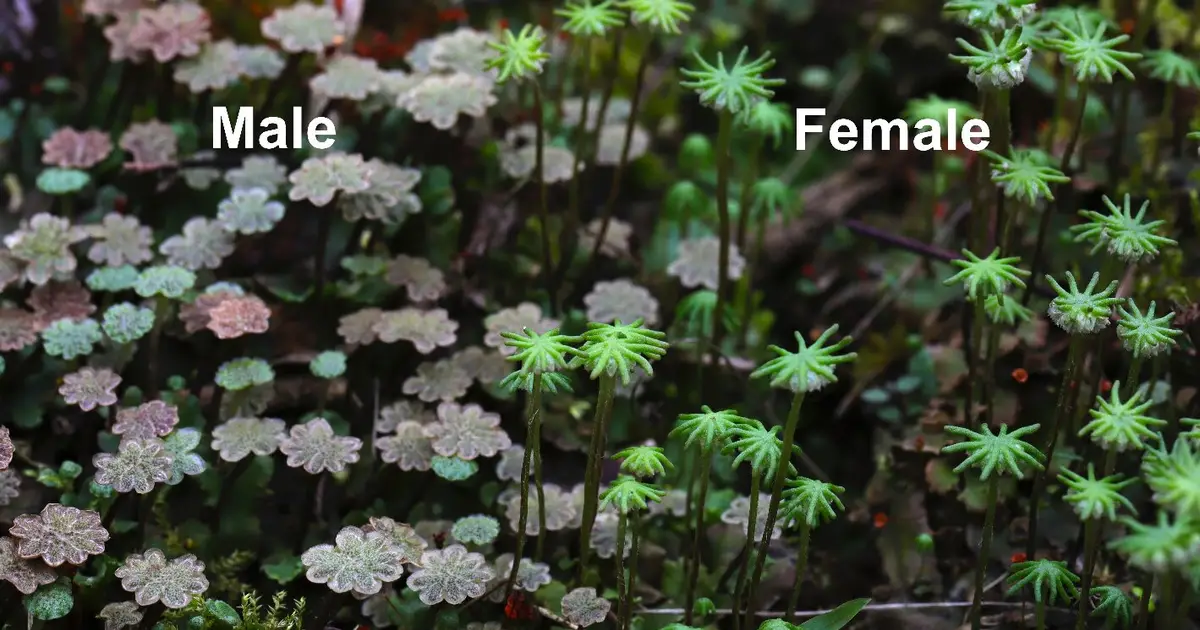
Liverworts reproduce through a life cycle involving two distinct stages. First, sperm fertilize eggs in the presence of water, producing embryos that develop into spore-producing structures called sporophytes.

AI Summary
Liverworts reproduce through a two‑stage life cycle. Sperm must meet eggs in water, creating embryos that grow into sporophytes. The sporophytes produce spores that disperse and grow into new plants. Bryophytes—including liverworts, hornworts, and mosses—must balance water‑dependent fertilization with spore dispersal, which is favored by drier conditions. The study highlights how these contrasting reproductive demands have shaped liverwort evolution.
AI summaries can be wrong sometimes—always verify important details using the source article.
How AI & Automation are usedMore from Science
Continue reading recent Science coverage
- Gas inside us could fight wound infections, moth study showsContinue reading
- Why large dogs age faster than small ones, and other October research highlightsContinue reading
- Deep-sea mussels trade tidal rhythms for a 24-hour cycle in the labContinue reading
- Exactly solvable model reveals how trapped light can create magnetic order in one-dimensional spin chainsContinue reading
Support HappeningNow
Independent AI-powered news analysis is reader-supported. Your contribution helps cover infrastructure, summaries, and continued platform development.
Support HappeningNow