
Science · 1 views
Greenland's Qaanaaq Ice Cap has lost enough ice to produce a layer of water about 8 meters deep
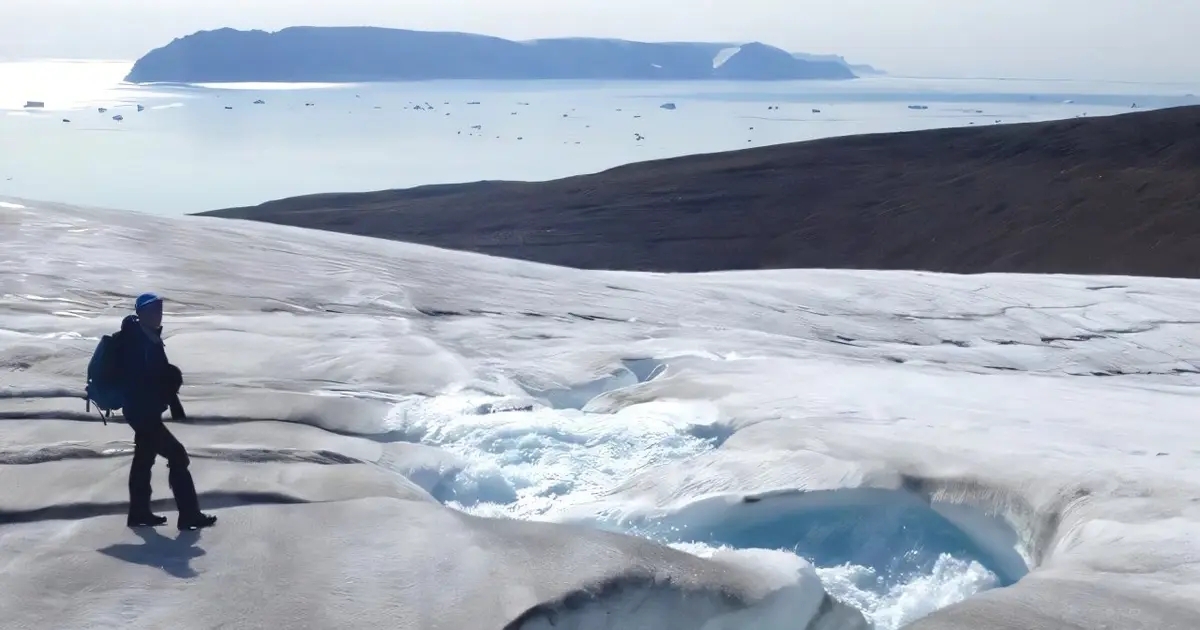
Each summer, researchers from Hokkaido University returned to the Qaanaaq Ice Cap in northwestern Greenland to measure changes in the ice surface using aluminum poles drilled into the ice.

AI Summary
Researchers from Hokkaido University have been measuring the Qaanaaq Ice Cap in northwestern Greenland each summer since 2012. They use aluminum poles drilled into the ice to track surface changes. The 13‑year record, published in the Journal of Glaciology, documents how the ice cap has thinned from 2012 to 2025. The study offers a rare long‑term, ground‑based record of glacier change in this region.
AI summaries can be wrong sometimes—always verify important details using the source article.
How AI & Automation are usedMore from Science
Continue reading recent Science coverage
- New thermal insulator outperforms any material found in natureContinue reading
- Coffee on the nanoscale: Graphene oxide membrane removes half the caffeine while retaining key compoundsContinue reading
- The art heist paradox: Why better police work can lead to more stolen masterpiecesContinue reading
- Time is running out to catch a giant planet's strange orbitContinue reading
Support HappeningNow
Independent AI-powered news analysis is reader-supported. Your contribution helps cover infrastructure, summaries, and continued platform development.
Support HappeningNow