
Science · 4 views
Earth's gravity may have kept the early moon's volcanic heart beating
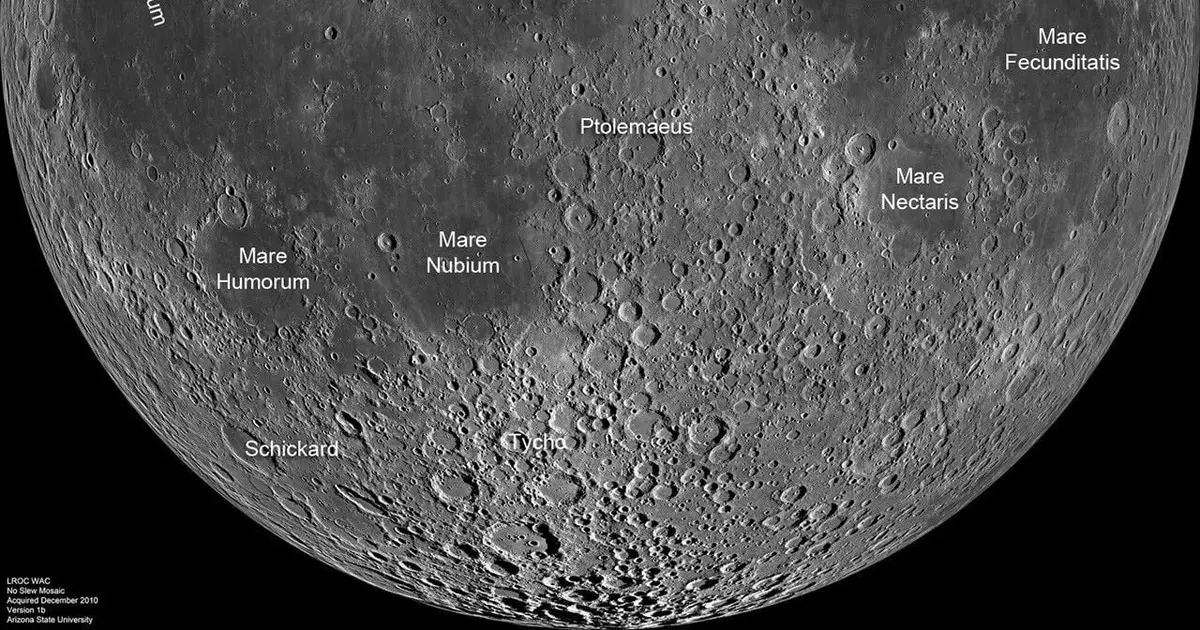
We typically think of the moon as a static, floating object that has remained the same for basically its entire lifetime, with an occasional asteroid impact serving as an exception.

Summary
We typically think of the moon as a static, floating object that has remained the same for basically its entire lifetime, with an occasional asteroid impact serving as an exception. That understanding is grounded in physics—the moon should have cooled rapidly after forming when a huge protoplanet hit the early Earth around 4.5 billion years ago. But some lunar material returned from the Chang'e-5 mission was notably formed only around 2 billion years ago, yet appeared to be volcanic in origin.
AI summaries can be wrong sometimes—always verify important details using the source article.
How AI & Automation are usedMore from Science
Continue reading recent Science coverage
- Two paths, one flux: Trapped ions simulate Aharonov–Bohm interference in a lattice gauge theoryContinue reading
- Scientists discover new jellyfish species in waters off Alicante in SpainContinue reading
- The introduction of a medieval public health system exposed the population to roundwormContinue reading
- Theory predicting an older universe without dark matter or dark energy passes key cosmological testsContinue reading
Support HappeningNow
Independent AI-powered news analysis is reader-supported. Your contribution helps cover infrastructure, summaries, and continued platform development.
Support HappeningNow