
Science
Cyanobacterium found in clean lakes shows little toxic potential
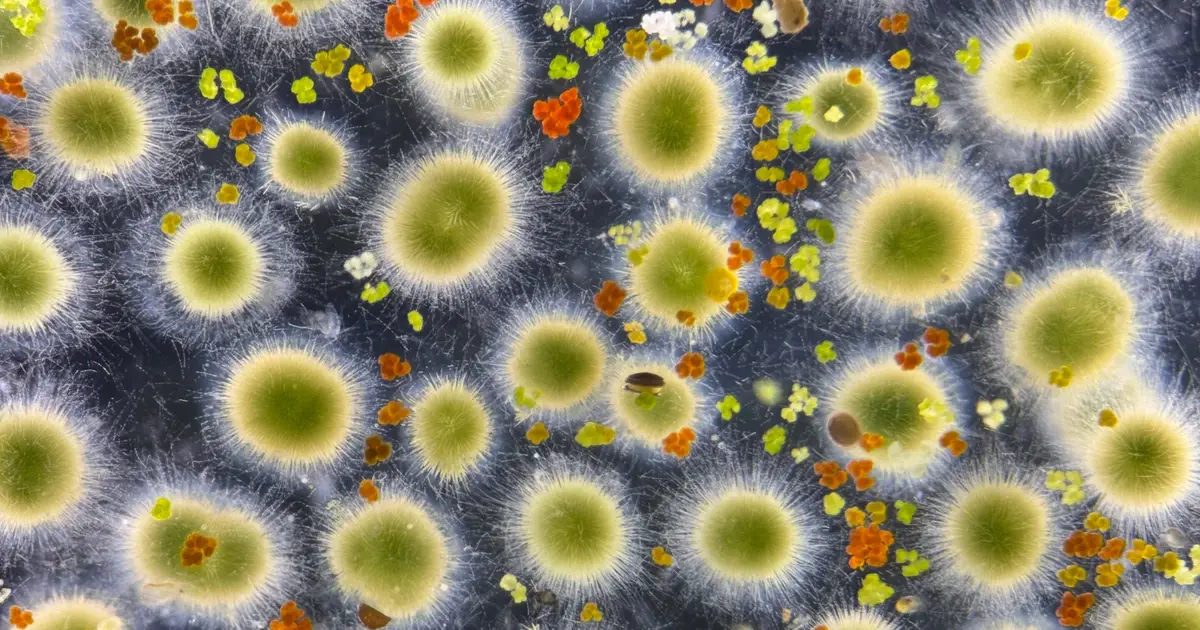
Gloeotrichia echinulata is a type of cyanobacterium that draws scrutiny because it tends to bloom in clear lakes, forming thick mats of visible green or white puffballs in otherwise clean water.

AI Summary
Gloeotrichia echinulata, a cyanobacterium that forms thick green or white puffball mats in clear lakes, has drawn attention because cyanobacterial blooms can produce a range of toxins. Researchers at Bigelow Laboratory for Ocean Sciences and Oregon State University examined the species’ toxic potential. Their study indicates that, despite its conspicuous blooms, G. echinulata exhibits little capacity to produce harmful toxins, suggesting it may be less of a public‑health threat than other “blue‑green algae” species.
AI summaries can be wrong sometimes—always verify important details using the source article.
How AI & Automation are usedMore from Science
Continue reading recent Science coverage
- Urban segregation study traces how history and ecology shape inequality in southern ChileContinue reading
- Dramatic gannet dive wins Bird Photographer of the Year competitionContinue reading
- World Cup viewers exposed to junk food, alcohol and gambling branding every 7 seconds, study findsContinue reading
- Jupiter uses a surprisingly complex system to fend off particles from the sunContinue reading
Support HappeningNow
Independent AI-powered news analysis is reader-supported. Your contribution helps cover infrastructure, summaries, and continued platform development.
Support HappeningNow