
Science · 59 views
Changing climate may influence risks from deadly rodent-borne diseases
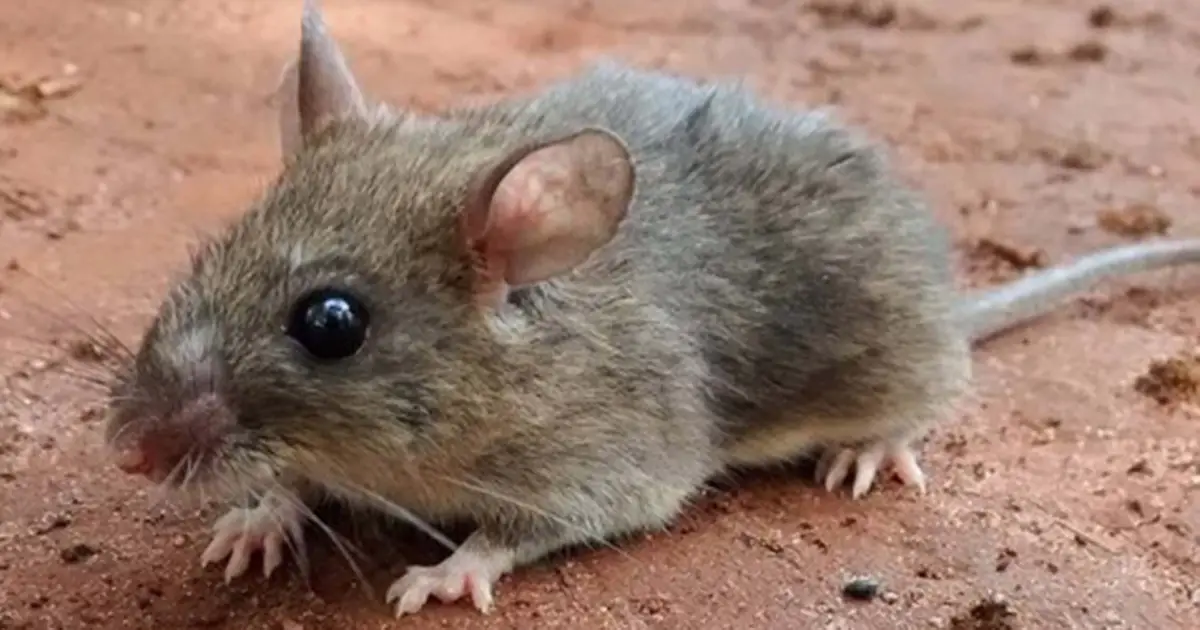
Changes in rainfall can trigger increases in rodent populations and subsequent spikes in infection, new research has found, revealing how a changing climate could have consequences for human health.

AI Summary
New research shows that altered rainfall patterns can boost rodent numbers, leading to spikes in disease transmission. Scientists from the Natural History Museum in London, the University of Oxford, University College London and other partners built a modeling framework using nearly three decades of data on the African Natal multimammate mouse, the primary carrier of Lassa virus. The model links climate‑driven changes in mouse populations to heightened human health risk. Findings appear in Proceedings of the National Academy of Sciences, highlighting how a warming climate may amplify rodent‑borne disease threats.
AI summaries can be wrong sometimes—always verify important details using the source article.
How AI & Automation are usedMore from Science
Continue reading recent Science coverage
- Experimental evidence of altermagnetism in a layered material opens a promising path toward future spintronicsContinue reading
- Parking policy masks anti-Muslim discrimination for communities building new mosquesContinue reading
- New device captures carbon dioxide by pumping it across a batteryContinue reading
- Coast redwoods slow their 'breathing' and 'eating' when temperatures spikeContinue reading
Support HappeningNow
Independent AI-powered news analysis is reader-supported. Your contribution helps cover infrastructure, summaries, and continued platform development.
Support HappeningNow