
Health
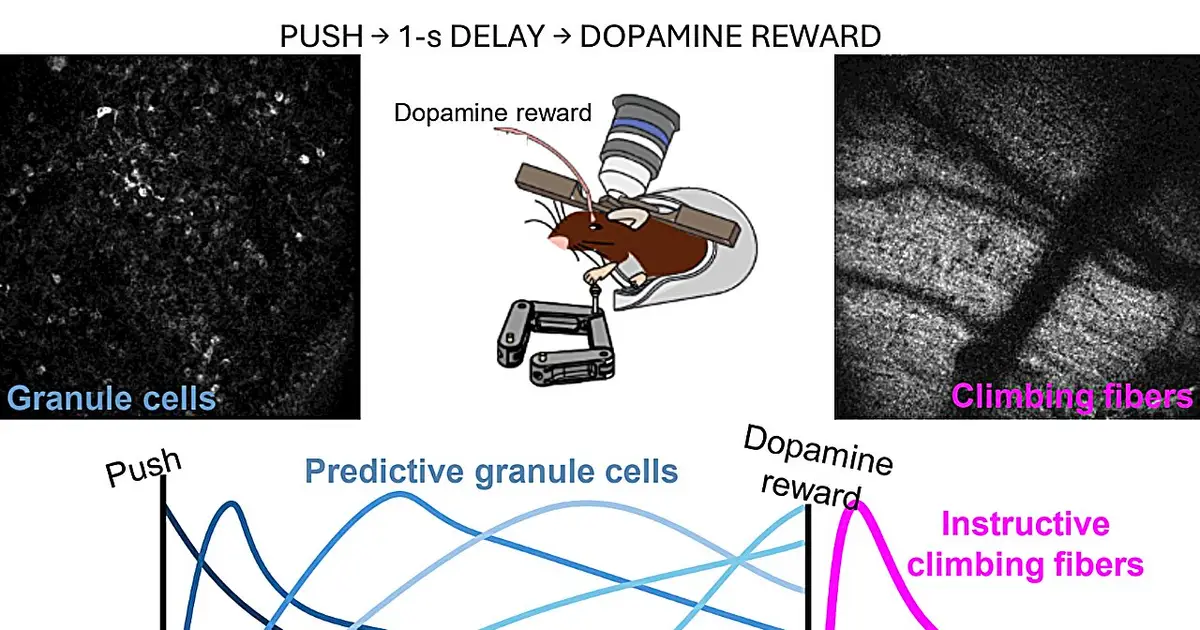
Beyond movement, the cerebellum may contribute to the anticipation of rewards
Over the course of their lives, humans and other animals can learn to connect specific actions or cues to a desirable outcome.
Health 
Story intelligence
Coverage Single outlet Single-outlet story
Views New Be the first to read
Brief read Under 1 min brief 43 words
Summary
Over the course of their lives, humans and other animals can learn to connect specific actions or cues to a desirable outcome. This process, called reward learning, is known to play a role in some mental health conditions, particularly substance use disorders (SUDs).
AI summaries can be wrong sometimes—always verify important details using the source article.
How AI & Automation are usedMore from Health
Continue reading recent Health coverage
- Inhaled drug shows promise for rare lung disease combinationContinue reading
- Pennsylvania measles outbreak spreads, with 55 new cases reported since WednesdayContinue reading
- Gen X is drinking more as younger Americans cut back on alcohol, study findsContinue reading
- Dogs support police officers with PTSDContinue reading
Support HappeningNow
Independent AI-powered news analysis is reader-supported. Your contribution helps cover infrastructure, summaries, and continued platform development.
Support HappeningNow