
Health
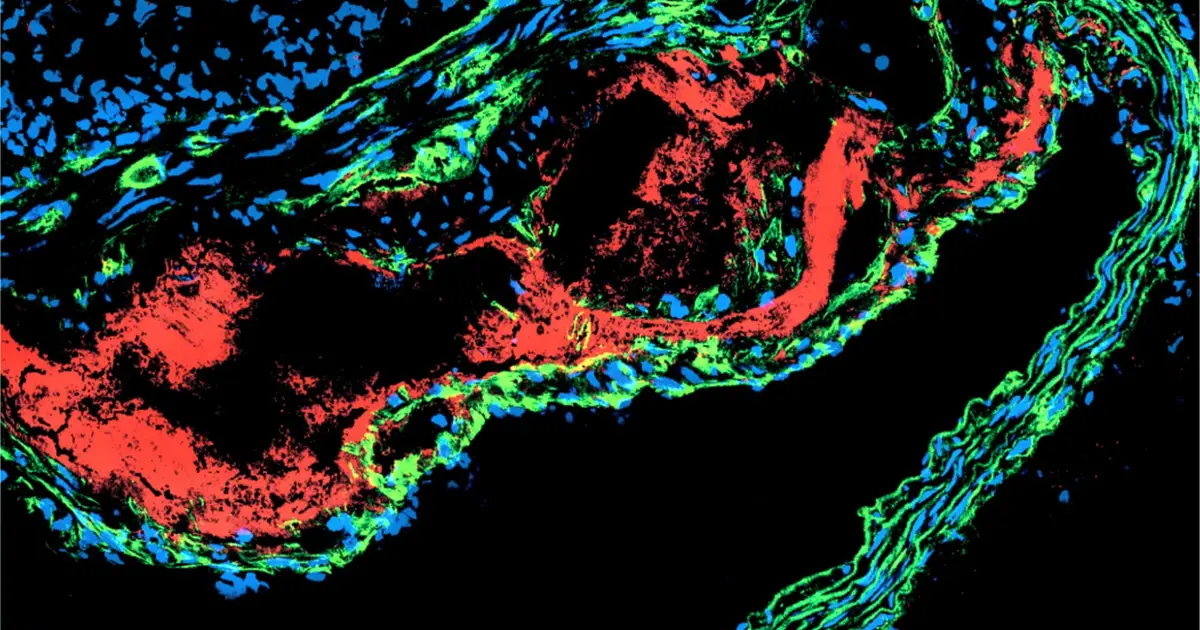
Atherosclerosis may meet key criteria for autoimmune disease, evidence suggests
In autoimmune diseases, the immune system turns against the body through pathogenic high-affinity B cells or T cells, leading to severe organ damage.

Summary
In autoimmune diseases, the immune system turns against the body through pathogenic high-affinity B cells or T cells, leading to severe organ damage. Multiple sclerosis (nervous system paralysis), type 1 diabetes (a strong risk factor for atherosclerosis requiring lifelong treatment) and rheumatoid arthritis (debilitating, excruciating joint deformities) are examples of clinically important autoimmune diseases.
AI summaries can be wrong sometimes—always verify important details using the source article.
How AI & Automation are usedMore from Health
Continue reading recent Health coverage
- Why do I crash at 3pm? The science behind the 'afternoon slump'Continue reading
- CBD may fall short in treating alcohol use disorder, despite promising animal studiesContinue reading
- Why scientists are looking to provoke disagreement among AI brain modelsContinue reading
- Why beauty feels shared: Brain scans map art's content and pleasure pathwaysContinue reading
Support HappeningNow
Independent AI-powered news analysis is reader-supported. Your contribution helps cover infrastructure, summaries, and continued platform development.
Support HappeningNow