
Science · 1 views
Airborne tuberculosis bacteria may mutate as they dry, revealing a target to curb drug resistance
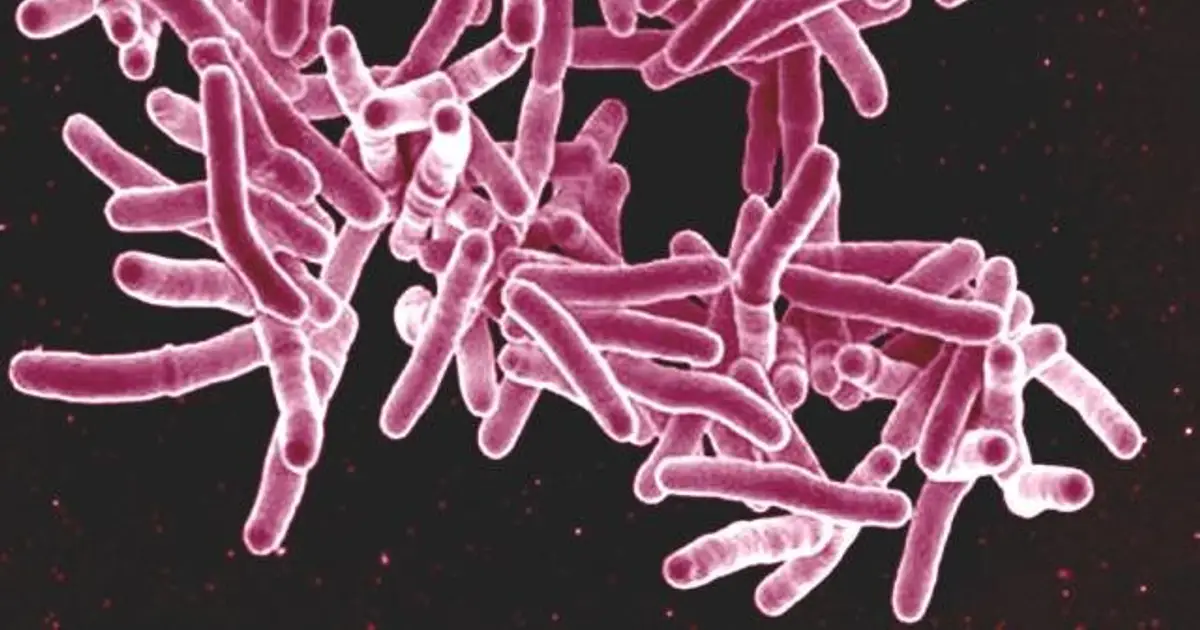
Tuberculosis bacteria released into the air from infected individuals dry out to form infectious particles that are second only to measles in contagiousness.

AI Summary
Researchers at Weill Cornell Medicine have identified mechanisms that allow airborne tuberculosis bacteria to survive the drying process and acquire mutations associated with antibiotic resistance. The study notes that dried bacterial particles are highly contagious, ranking second only to measles in transmissibility. These findings imply that the period when bacteria are airborne and drying may be an active phase for pathogen evolution, not merely passive transmission.
Read full article on PHYSAI summaries can be wrong sometimes—always verify important details using the source article.
How AI & Automation are usedMore from Science
Continue reading recent Science coverage
- Tiny Wrinkles in Graphene Turn It Into a Battery, Physicists FindContinue reading
- Of 30 Global Food Goals, We're on Track to Hit Just OneContinue reading
- How everyday household tasks impact relationshipsContinue reading
- How plastic welds retain a molecular 'memory' of their former surfaces to strengthen pipe jointsContinue reading
Support HappeningNow
Independent AI-powered news analysis is reader-supported. Your contribution helps cover infrastructure, summaries, and continued platform development.
Support HappeningNow