
Science
A real-time look inside spacecraft heat shields during extreme heat conditions
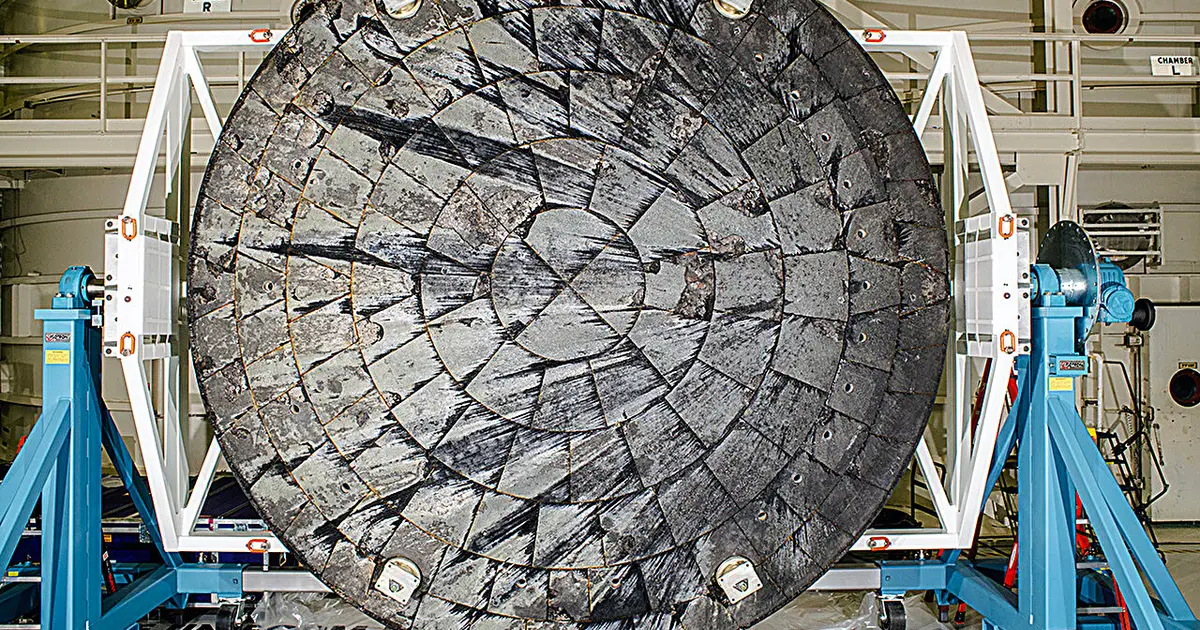
When a spacecraft reenters Earth's atmosphere at hypersonic velocities, its protective heat shield faces extreme conditions, including temperatures beyond 3,000 degrees Fahrenheit (1,650 degrees Celsius).

AI Summary
When a spacecraft reenters Earth’s atmosphere at hypersonic speeds, its heat shield is exposed to temperatures exceeding 3,000 °F (1,650 °C). The shield must survive by using specialized materials that absorb heat while gradually degrading in a controlled process known as ablation. During ablation, the outer layers of the shield are sacrificed, releasing heat and protecting the vehicle and its crew. This controlled degradation is essential for the shield’s ability to withstand the extreme thermal environment of reentry.
AI summaries can be wrong sometimes—always verify important details using the source article.
How AI & Automation are usedMore from Science
Continue reading recent Science coverage
- Crop protection: A new method for understanding insect sexual communicationContinue reading
- Lead isotopes trace Malawi's mysterious copper ingot hoard to Congo's Kipushi mineContinue reading
- Zepbound and Mounjaro may turn on the body’s calorie-burning brown fatContinue reading
- Molecular 'self-destruct' switch discovered: How stressed cells decide between survival and deathContinue reading
Support HappeningNow
Independent AI-powered news analysis is reader-supported. Your contribution helps cover infrastructure, summaries, and continued platform development.
Support HappeningNow