
Health · 24 views
3D-printed membrane increases oxygen transfer in artificial lungs by up to 88%
For people with severe lung diseases, a transplant of a healthy organ is often their only chance of survival. However, donor lungs are in short supply.

AI Summary
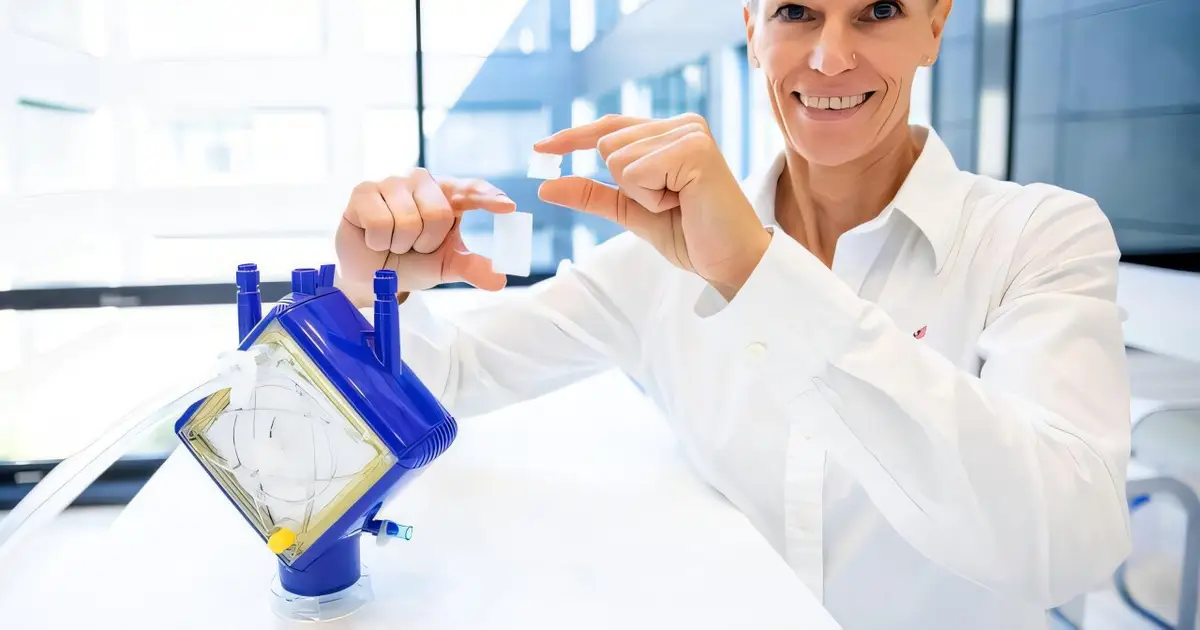
Researchers led by Prof. Dr. Bettina Wiegmann at Hannover Medical School have created a 3‑D‑printed TPMS membrane that can replace the conventional hollow‑fiber bundles used in extracorporeal membrane oxygenation (ECMO) lung support systems. Laboratory tests show the new membrane can boost oxygen transfer by up to 88 % compared with standard plastic hollow‑fiber membranes. The work is part of a German Research Foundation priority program aimed at developing a biohybrid, potentially implantable lung for patients with severe lung disease, a condition for which donor organs are scarce. The team’s efforts continue within the Lower Saxony Centre for Biomedical Engineering, Implant Research and Development.
AI summaries can be wrong sometimes—always verify important details using the source article.
How AI & Automation are usedMore from Health
Continue reading recent Health coverage
- Tegoprubart preserves kidney function better than tacrolimus in first-time transplant patients, trial suggestsContinue reading
- Melanoma vaccine reduces death or cancer recurrence by 42%Continue reading
- Chinese Drug Shows Benefit in HER2-Low Breast CancerContinue reading
- Type of Menopause Hormone Therapy Tied to Small Autoimmune Disease RiskContinue reading
Support HappeningNow
Independent AI-powered news analysis is reader-supported. Your contribution helps cover infrastructure, summaries, and continued platform development.
Support HappeningNow