
Science · 27 views
Human blood may have helped preserve ancient Chinese rock art for 2,000 years
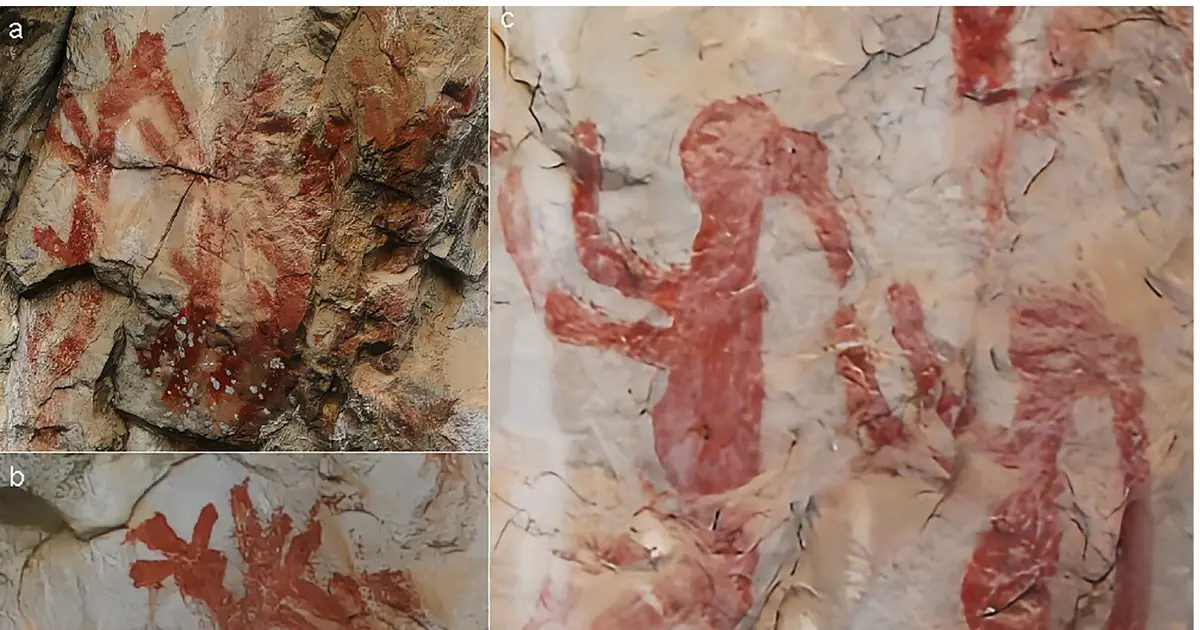
The Huashan rock art landscape in southern China, close to the border with Vietnam, is a remarkable UNESCO World Heritage site.

AI Summary
Researchers examined the Huashan rock art landscape in southern China, a UNESCO World Heritage site comprising thousands of images on river cliffs across more than 80 locations spanning 260 km. The paintings, which include depictions of people, instruments, boats, animals, weapons and other figures, date back at least 2,000 years despite the region’s extreme subtropical monsoon climate with scorching heat, heavy rain and frequent typhoons. Analysis suggests that traces of human blood in the pigments may have contributed to the remarkable preservation of the artwork over millennia.
AI summaries can be wrong sometimes—always verify important details using the source article.
How AI & Automation are usedMore from Science
Continue reading recent Science coverage
- Ancient armored fish evolved two distinct ways to crush prey 385 million years agoContinue reading
- Scientists Find a Subtle Clue to ADHD Hidden in The EyesContinue reading
- Venus’s pale yellow clouds may hide something surprisingly darkContinue reading
- Researchers Discover a Green Hydrogen 'Goldmine' Beneath Australia's Red DirtContinue reading
Support HappeningNow
Independent AI-powered news analysis is reader-supported. Your contribution helps cover infrastructure, summaries, and continued platform development.
Support HappeningNow