
Science · 181 views
A phenanthrene co-guest helps crystalline sponges reveal 3D structures of small, low-polarity molecules
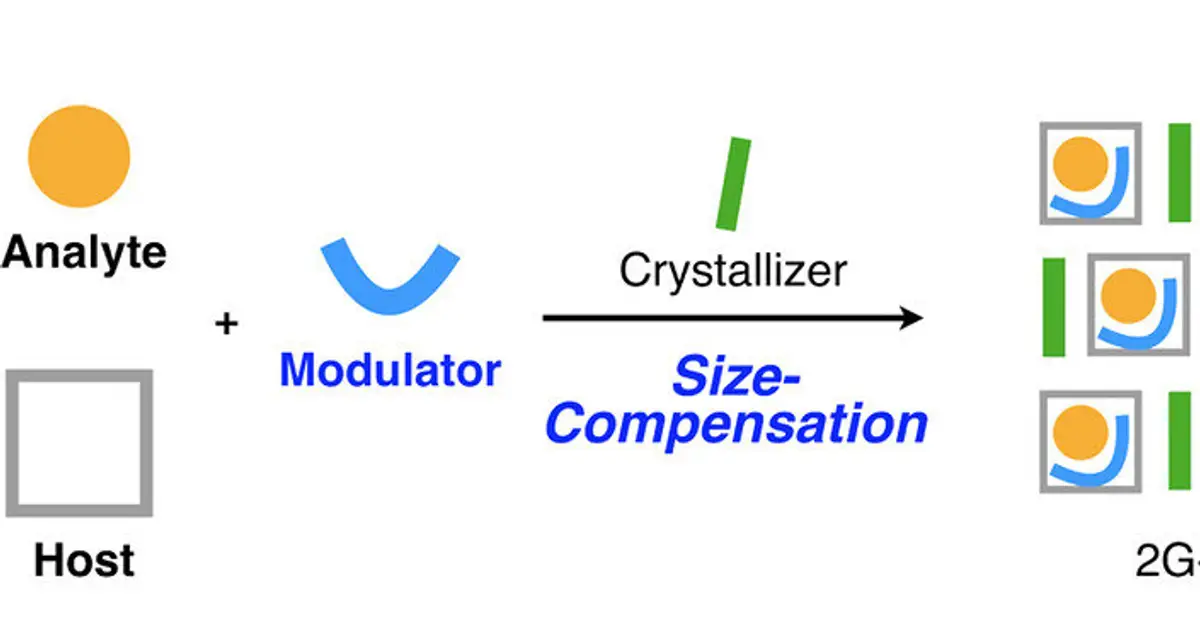
Adding phenanthrene as a co-guest let the second-generation crystalline sponge (2G-CS) method determine X-ray structures for 24 of 30 small, low-polarity C₁₅ molecules, mostly sesquiterpenoids.

Summary
Adding phenanthrene as a co-guest let the second-generation crystalline sponge (2G-CS) method determine X-ray structures for 24 of 30 small, low-polarity C₁₅ molecules, mostly sesquiterpenoids. Under standard conditions, none of the 30 gave guest-containing crystals. Eleven of the 24 structures had not been reported before, including that of the liquid hydrocarbon longifolene. A chiral version of the cage gave the absolute configurations of five compounds.
AI summaries can be wrong sometimes—always verify important details using the source article.
How AI & Automation are usedMore from Science
Continue reading recent Science coverage
- Coating made from renewable plant-based materials could simplify recycling while reducing exposure to microplasticsContinue reading
- Google shouldn’t be pressuring schools to use its AIContinue reading
- Research supports communitywide efforts to fight bedbug infestations, expert explainsContinue reading
- Archaeologists uncover possible 19th-century castaway camp on island 'at the end of the world'Continue reading
Support HappeningNow
Independent AI-powered news analysis is reader-supported. Your contribution helps cover infrastructure, summaries, and continued platform development.
Support HappeningNow