
Science · 1 views
X-ray photoelectron spectroscopy reveals the surface chemistry of bio-based hybrid materials
Just a few atomic layers at the surface can strongly influence how effectively a material binds pollutants from water or how efficiently a photocatalyst responds to light.

AI Summary
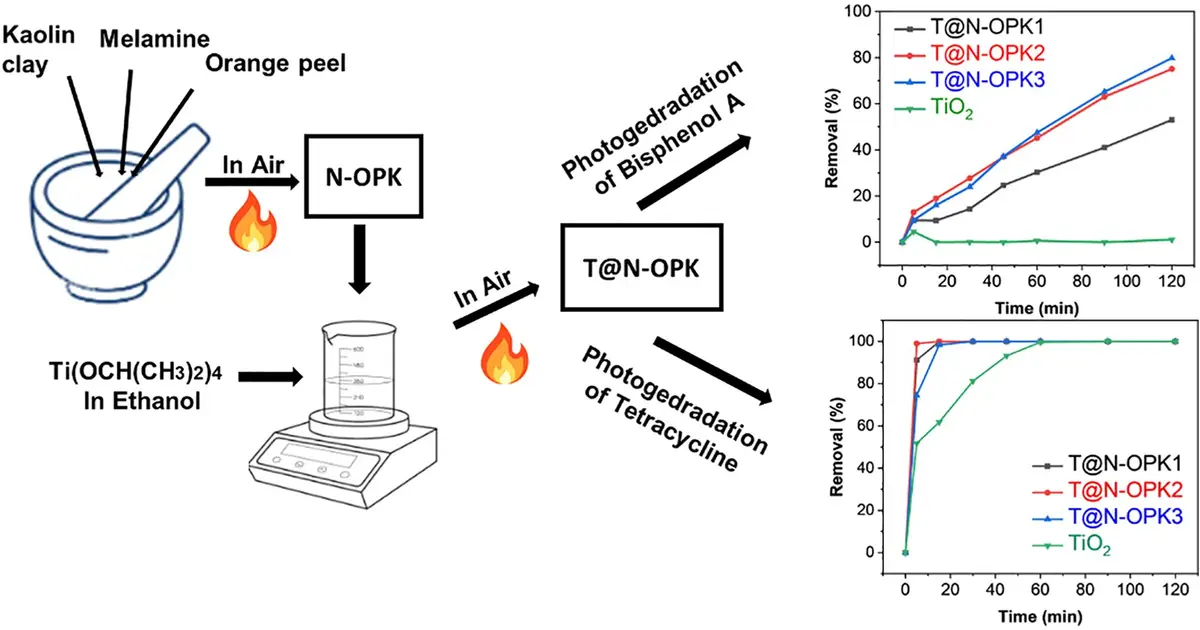
Researchers at the Fraunhofer Institute for Applied Polymer Research IAP used X‑ray photoelectron spectroscopy (XPS) to examine the chemical states and interactions at the surfaces and interfaces of bio‑based carbon materials and organic‑inorganic hybrid materials. The study shows that only a few atomic layers at a material’s surface can strongly influence its ability to bind pollutants from water or its efficiency as a photocatalyst. By revealing these surface chemistry details, the work aims to guide the targeted development of functional materials for future industrial applications.
AI summaries can be wrong sometimes—always verify important details using the source article.
How AI & Automation are usedMore from Science
Continue reading recent Science coverage
- Can AI tame torrential rain by 2050? The next frontier of weather control and forecastingContinue reading
- AI and big data can help logistics companies navigate supply-chain disruptionsContinue reading
- Alzheimer's Disease Threat Actually Emerges From Beyond The Brain, Study FindsContinue reading
- August was the joint hottest month on recordContinue reading
Support HappeningNow
Independent AI-powered news analysis is reader-supported. Your contribution helps cover infrastructure, summaries, and continued platform development.
Support HappeningNow