
Science · 40 views
Why the current strategy to manage mule deer populations may not be working
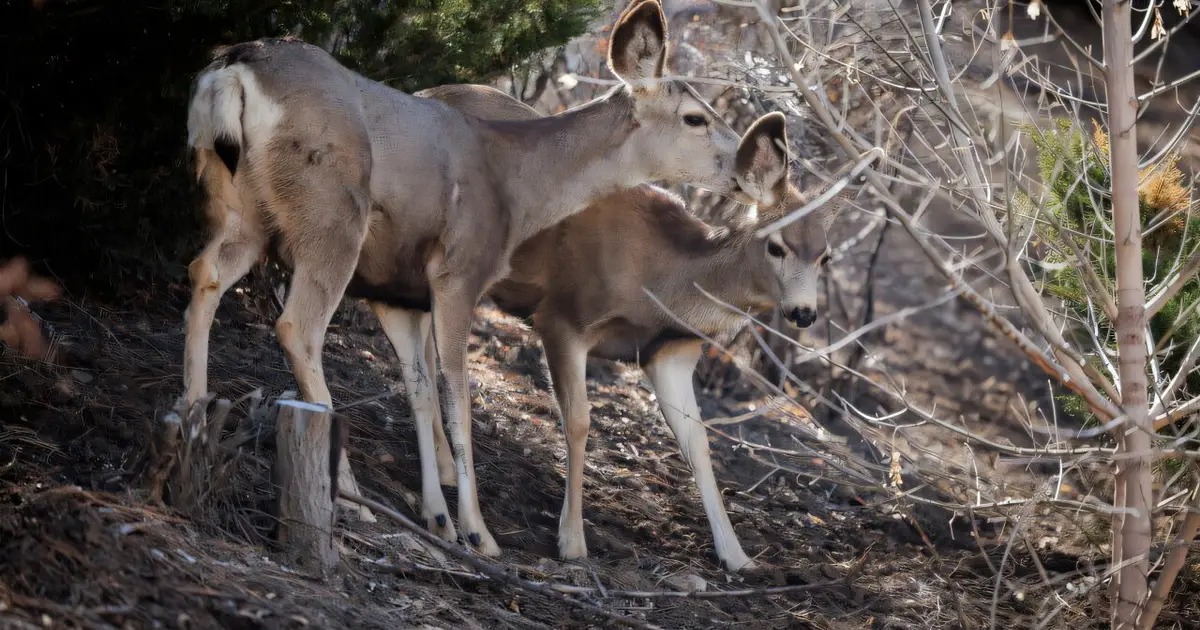
Following a surge of interest in deer hunting beginning in the '80s and '90s, strategies to manage deer populations evolved to increase the proportion of mature male deer.

AI Summary
In the western United States, deer‑hunting interest rose in the 1980s and 1990s, prompting managers to raise the proportion of mature male mule deer. Although this shift may improve hunting conditions, the overall mule deer population has continued to fall. A new study by BYU researchers Ranjana Pal, Randy Larsen, and Brock McMillan links the higher male-to-female ratio to poorer nutritional condition in females and reduced population growth rates. The research, published in *Ecological Solutions and Evidence*, suggests that the current management focus on increasing male numbers may be undermining long‑term population health.
AI summaries can be wrong sometimes—always verify important details using the source article.
How AI & Automation are usedMore from Science
Continue reading recent Science coverage
- Tiny nutrient, big mystery: Key gene reveals how cereal crops transport nickelContinue reading
- Science Has Finally Shown That Your Cat Meows to Demand That You Fix Their WorldContinue reading
- What terrifying sleep paralysis demons reveal about the mind-body connectionContinue reading
- How cells pull together: Theoretical study reveals a hidden source of attractionContinue reading
Support HappeningNow
Independent AI-powered news analysis is reader-supported. Your contribution helps cover infrastructure, summaries, and continued platform development.
Support HappeningNow