
Science · 4 views
Why molecular cage catalysts show enormous differences in performance
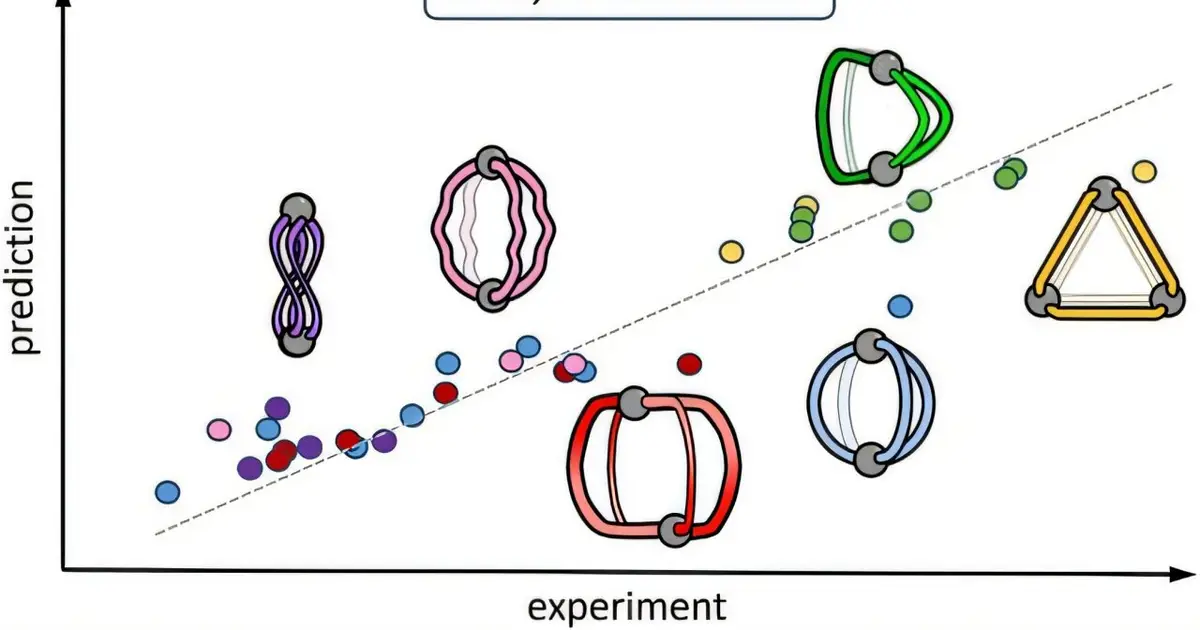
Chemistry researchers have developed a new way to identify and understand highly effective artificial enzyme-like catalysts using powerful "molecular cages" that mimic the behavior of nature's enzymes.

AI Summary
Chemistry researchers have created a new method to identify and understand highly effective artificial enzyme‑like catalysts by using powerful “molecular cages.” These tiny, hollow structures act as miniature reaction chambers that trap molecules and accelerate chemical reactions. In tests, the cages displayed enormous performance differences, with the best catalysts being more than 10,000 times more active than the least effective ones.
AI summaries can be wrong sometimes—always verify important details using the source article.
How AI & Automation are usedMore from Science
Continue reading recent Science coverage
- Man Keeps a Rock For Years, Hoping It's Gold. It Turned Out to Be Even More ValuableContinue reading
- DESTINY model tracks molecular chemistry on uneven, ice-covered grains in interstellar spaceContinue reading
- JWST studies a tiny, metal-poor galaxy with just a fraction of the sun's oxygen abundanceContinue reading
- Wave-like displays in animal groups may have evolved to deceive predatorsContinue reading
Support HappeningNow
Independent AI-powered news analysis is reader-supported. Your contribution helps cover infrastructure, summaries, and continued platform development.
Support HappeningNow