
Science
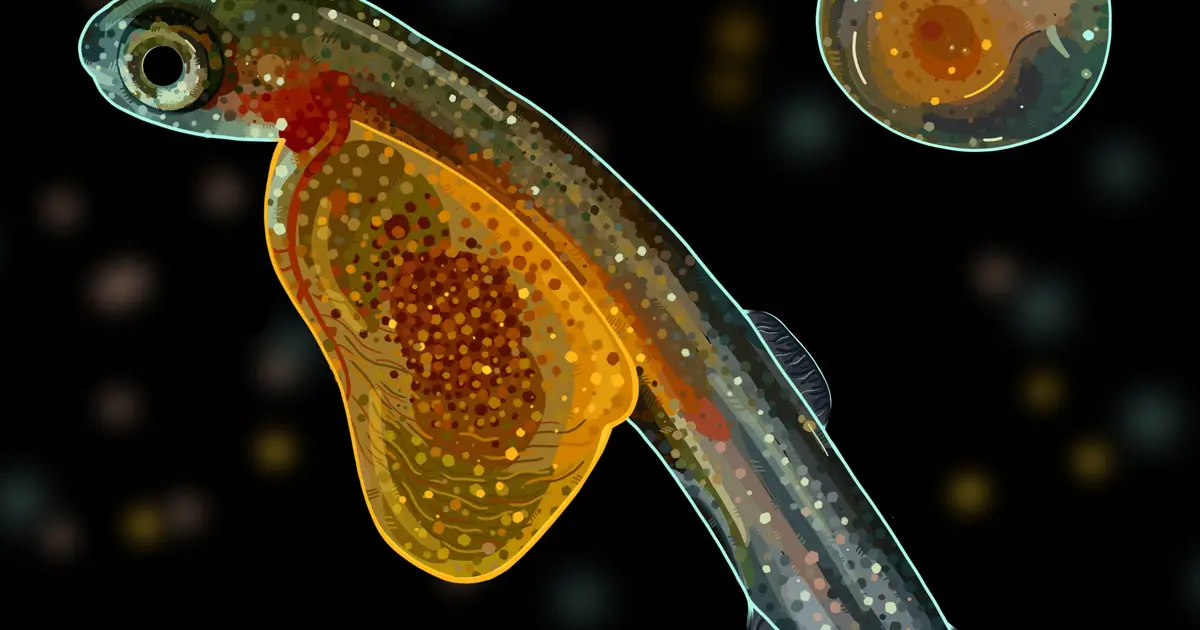
Whole genome duplication shaped the evolution of the salmon family
Evolution is driven by changes in DNA that sometimes promote adaptation, altering traits like disease resistance or reproduction.

AI Summary
Whole-genome duplication (WGD) creates an organism with two complete copies of its genetic code, effectively “copy‑pasting” the entire genome. This massive genetic event can drive evolutionary change by providing redundant material for adaptation, influencing traits such as disease resistance and reproduction. Researchers highlight that such duplications have been pivotal in shaping the evolutionary history of the salmon family, offering a mechanism beyond the minute, single‑letter DNA mutations that typically drive change.
AI summaries can be wrong sometimes—always verify important details using the source article.
How AI & Automation are usedMore from Science
Continue reading recent Science coverage
- How bumblebees keep up with a flower that won't stay stillContinue reading
- Popular Joint Supplement Linked to 25% Higher Dementia Risk in People With Early Memory LossContinue reading
- The ice blasting from Saturn's moon Enceladus is stranger than scientists realizedContinue reading
- AI identifies Senegal's smallholder crops 84% of the time using limited training dataContinue reading
Support HappeningNow
Independent AI-powered news analysis is reader-supported. Your contribution helps cover infrastructure, summaries, and continued platform development.
Support HappeningNow