
Science · 1 view
What space travel teaches us about sleep and circadian rhythms
On Earth, most of us rarely have to think about the signals that keep our internal clocks aligned. The sun rises, daylight changes, darkness arrives and morning comes again.
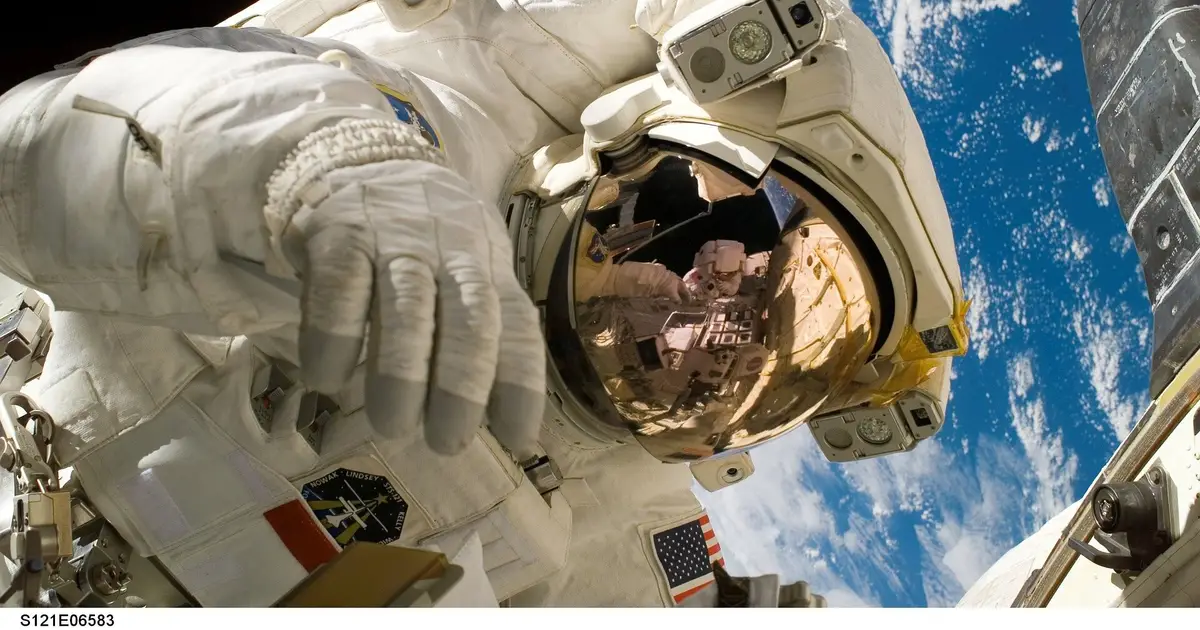

Summary
On Earth, most of us rarely have to think about the signals that keep our internal clocks aligned. The sun rises, daylight changes, darkness arrives and morning comes again. Our bodies have evolved alongside this roughly 24-hour cycle. Light is one of the strongest signals our bodies use to synchronize the circadian clock.
AI summaries can be wrong sometimes—always verify important details using the source article.
How AI & Automation are usedMore from Science
Continue reading recent Science coverage
- White nationalism's appeal runs deeper than partisan politicsContinue reading
- Fossil mammal with reptile-like teeth changes picture of our evolutionContinue reading
- How much are the world's oceans warming? New method reveals double-digit percentage gaps from climate modelsContinue reading
- Finally: Rose-Tinted Solar Panels Could Let Crops And Electricity Share The Same LandContinue reading
Support HappeningNow
Independent AI-powered news analysis is reader-supported. Your contribution helps cover infrastructure, summaries, and continued platform development.
Support HappeningNow