
Science · 23 views
What made prehistoric communities resilient? Ancient social networks may hold the answer
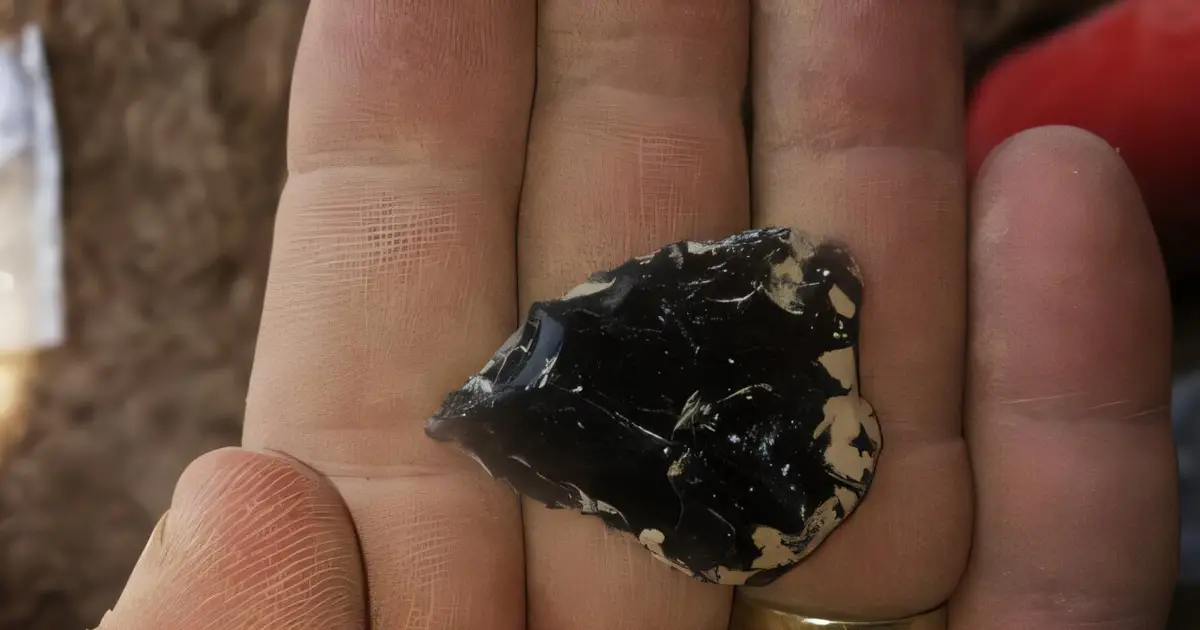
A new study led by Dr. Ariel Malinsky-Buller of the Hebrew University of Jerusalem challenges long-held assumptions about how prehistoric hunter-gatherers survived in the Southern Caucasus between 57,000 and 27,000 years ago.

Summary
A new study led by Dr. Ariel Malinsky-Buller of the Hebrew University of Jerusalem challenges long-held assumptions about how prehistoric hunter-gatherers survived in the Southern Caucasus between 57,000 and 27,000 years ago. Rather than relying on environmental adaptation alone, the research suggests that extensive social networks, long-distance mobility and the exchange of knowledge were critical to human resilience during periods of climatic and ecological change.
AI summaries can be wrong sometimes—always verify important details using the source article.
How AI & Automation are usedMore from Science
Continue reading recent Science coverage
- Climate change contributing to permafrost thawing and glacial thinningContinue reading
- Two Remote Amazon Communities Have Strikingly Low Dementia Rates. Scientists Are Struggling to Understand Why.Continue reading
- Electron and photon beams drive same gold-forming reaction toward different nanoscale structuresContinue reading
- This sponge has holes. Some find that truly disgustingContinue reading
Support HappeningNow
Independent AI-powered news analysis is reader-supported. Your contribution helps cover infrastructure, summaries, and continued platform development.
Support HappeningNow