
Science · 6 views
The truth about autistic masking and its toll on mental health
To some extent, we all perform versions of ourselves to fit into different contexts. You might behave differently in the office than you do at home or at a party, for example.

Summary
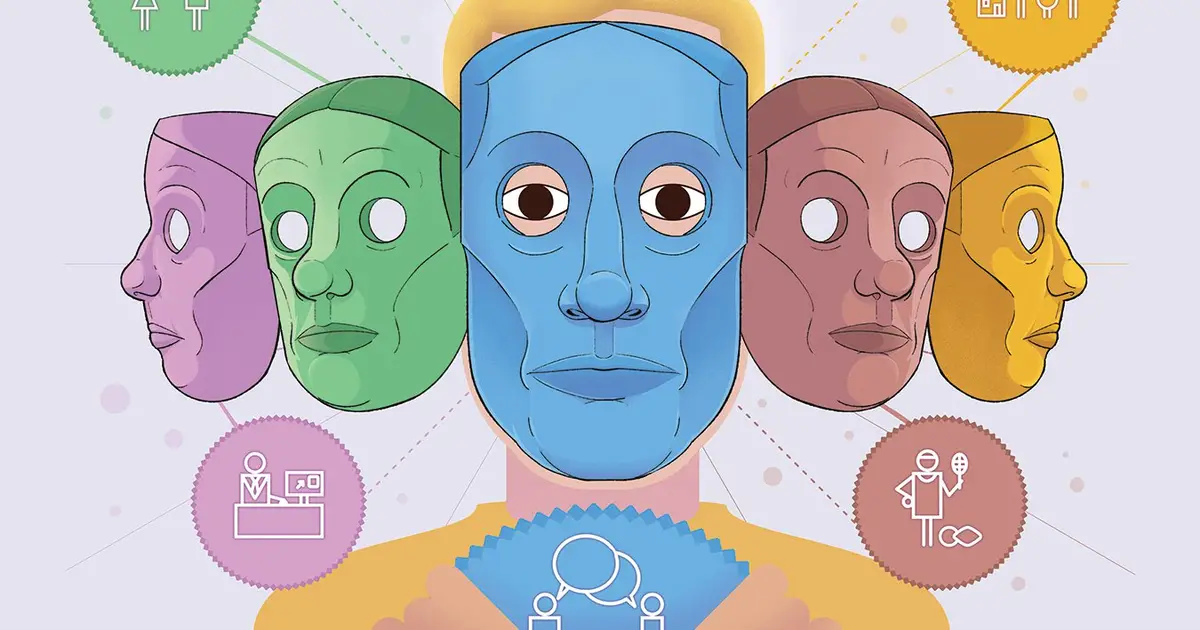
To some extent, we all perform versions of ourselves to fit into different contexts. You might behave differently in the office than you do at home or at a party, for example. But autistic people often hide their true selves to an exhausting degree, such as forcing eye contact or pre-scripting conversations. These strategies, known as masking, help them avoid being spotted as neurodivergent or compensate for when those around them aren’t sympathetic or aware of their needs.
AI summaries can be wrong sometimes—always verify important details using the source article.
How AI & Automation are usedMore from Science
Continue reading recent Science coverage
- How a brainless single-celled slime mold solves problems using the laws of physicsContinue reading
- DNA storage system holds data in living human cells and protects access with genetic decoysContinue reading
- Functional traits in two Asian pines covary with climate and genomic ancestryContinue reading
- Ban AI, lose Google Search: Schools face tough choice over students' accessContinue reading
Support HappeningNow
Independent AI-powered news analysis is reader-supported. Your contribution helps cover infrastructure, summaries, and continued platform development.
Support HappeningNow