
Science · 2 views
Storing memory on a chip with flowing water
Like the folds in crumpled sheets or the footprints on recently trodden sand, certain materials mark their histories.

Summary
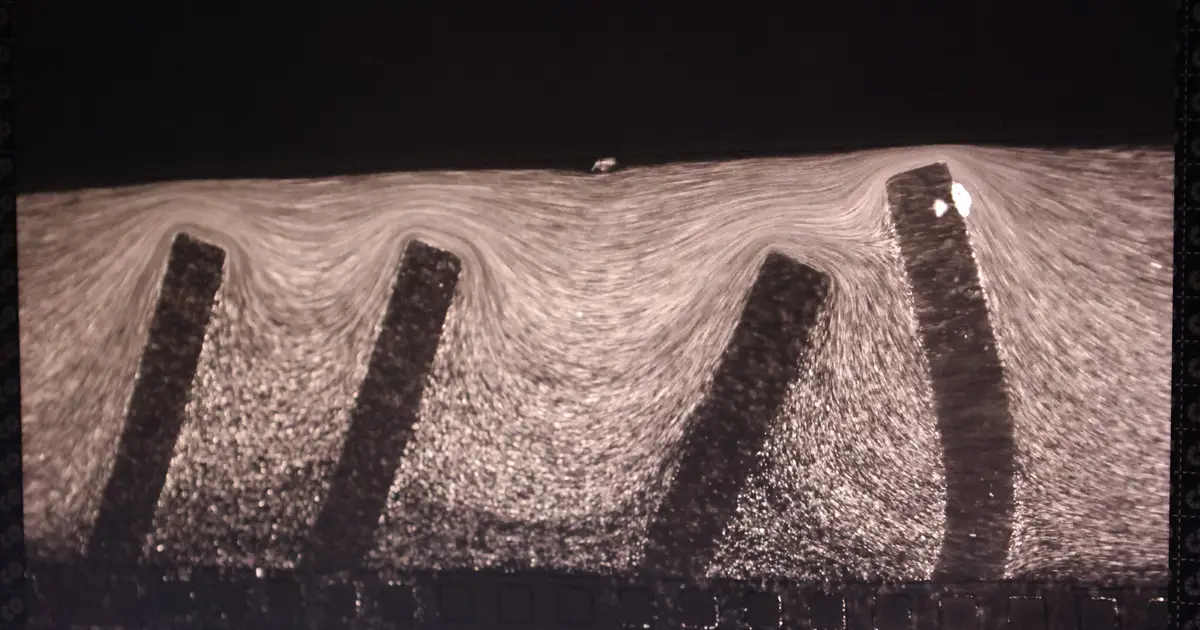
Like the folds in crumpled sheets or the footprints on recently trodden sand, certain materials mark their histories. Now, Yale researchers show that networks of flowing water and other fluids can store their own memories—similar to how a computer chip does—an innovation that could steer robots and provide insight into some simple organisms. The results are published in Physical Review X . In Professor Amir Pahlavan's lab, researchers created a small chip with multiple tiny channels, each with a depth about half the width of a human hair.
AI summaries can be wrong sometimes—always verify important details using the source article.
How AI & Automation are usedMore from Science
Continue reading recent Science coverage
- Rocks from hydrothermal vents can spontaneously combust, posing potential risks for deep-sea mining operationsContinue reading
- Microplastics may produce harmful molecules if they enter our bloodContinue reading
- Team builds resource-sharing technology platform for nonprofitsContinue reading
- Your dog may link sounds with shapes, just like you doContinue reading
Support HappeningNow
Independent AI-powered news analysis is reader-supported. Your contribution helps cover infrastructure, summaries, and continued platform development.
Support HappeningNow