
Science · 38 views
Smart bioink shields delicate neural cells during precision 3D printing
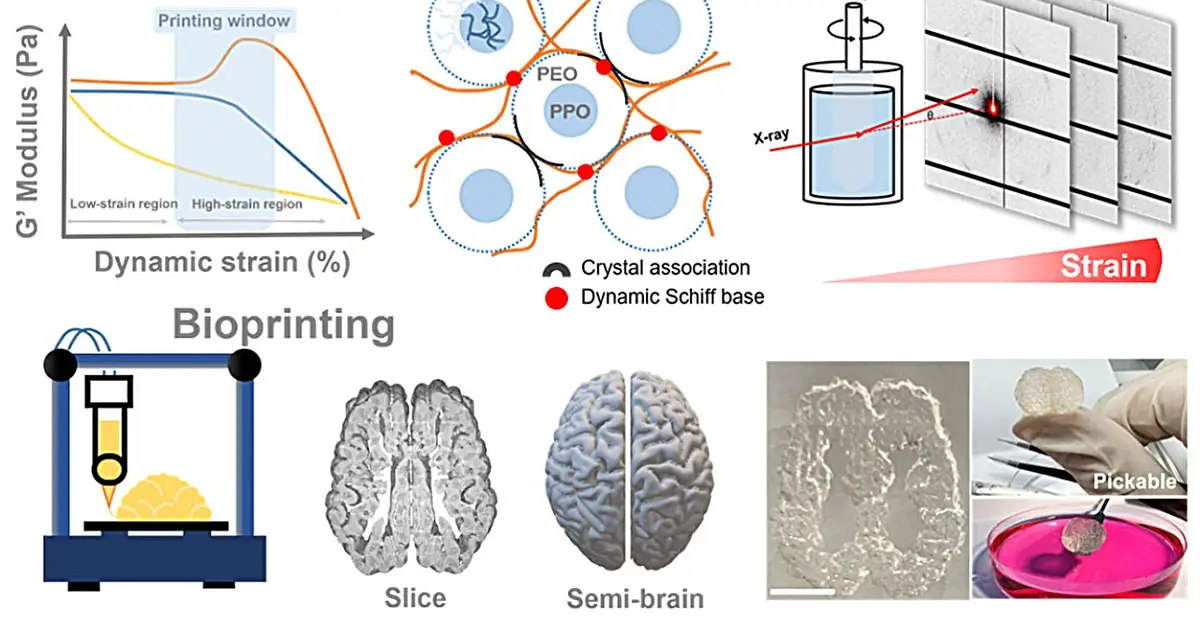
3D bioprinting allows scientists to build custom tissue structures for medicine, but printing soft tissues like the human brain remains a major challenge.

Summary
3D bioprinting allows scientists to build custom tissue structures for medicine, but printing soft tissues like the human brain remains a major challenge. The strong pushing forces required to squeeze biological materials through tiny printer nozzles often crush and damage sensitive cells, leading to low survival rates and weak printed structures.
AI summaries can be wrong sometimes—always verify important details using the source article.
How AI & Automation are usedMore from Science
Continue reading recent Science coverage
- Glowing plants reveal immune responses around infection sites via two colorsContinue reading
- Study maps the human side of flood riskContinue reading
- Your Brain May Be Switching Between Two Versions of Reality 15 Times a SecondContinue reading
- Counting magnetic flux quanta offers new way to measure photon numbersContinue reading
Support HappeningNow
Independent AI-powered news analysis is reader-supported. Your contribution helps cover infrastructure, summaries, and continued platform development.
Support HappeningNow