
Science · 1 view
Sex-like DNA exchange in starving bacteria occurs over 100 times more often than spontaneous mutations
How do bacteria adapt when resources run low? ISTA researchers have found that, under starvation stress, E.

Summary
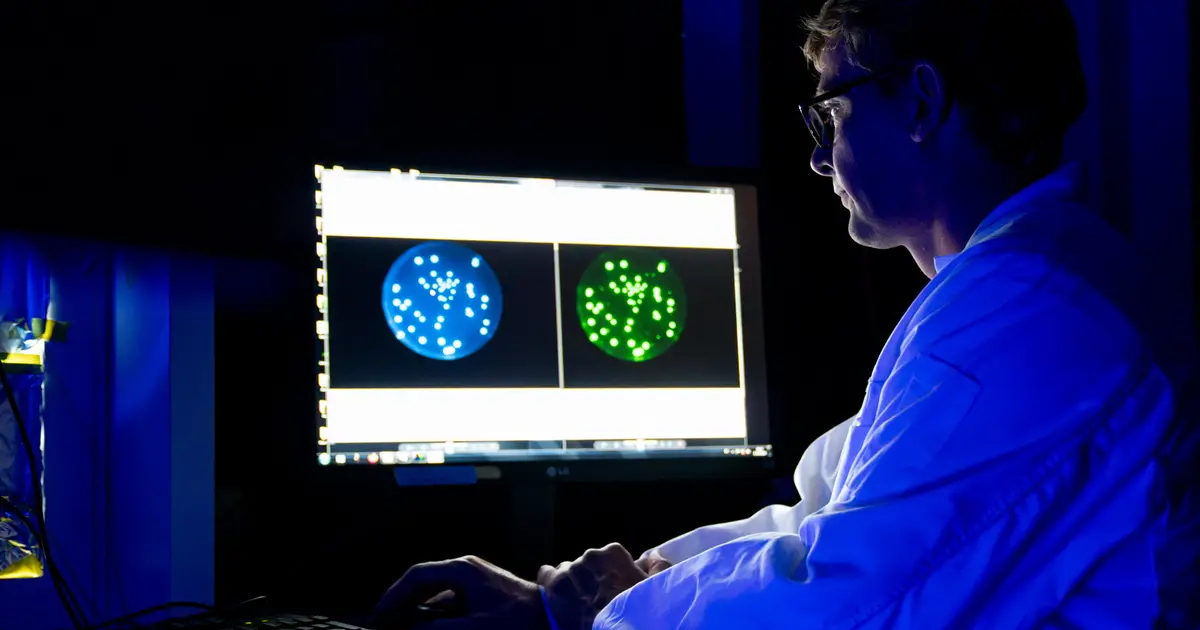
How do bacteria adapt when resources run low? ISTA researchers have found that, under starvation stress, E. coli can use bacteriophages and CRISPR-Cas immunity to transfer and incorporate DNA, accelerating genetic reshuffling. The process resembles a primitive form of sexual reproduction and may help bacterial populations adapt to changing conditions.
AI summaries can be wrong sometimes—always verify important details using the source article.
How AI & Automation are usedMore from Science
Continue reading recent Science coverage
- Ukraine rolls out drone-stopping razor fence to thwart attacksContinue reading
- Study finds city-level fire data can hide what's happening block by blockContinue reading
- Catalog of mitochondria across life's family tree unearths unusual functionsContinue reading
- Elephants imitate each other when they produce deep rumbling soundsContinue reading
Support HappeningNow
Independent AI-powered news analysis is reader-supported. Your contribution helps cover infrastructure, summaries, and continued platform development.
Support HappeningNow