
Science · 5 views
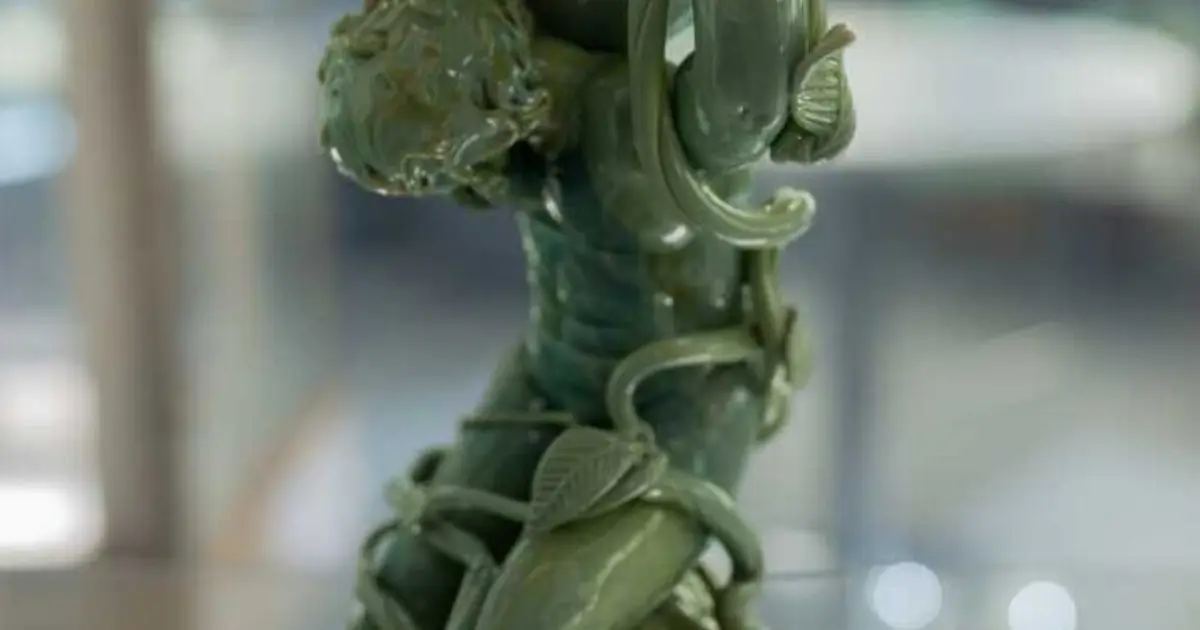
Sculpture recreates odd optical effects of famed Lycurgus Cup
University of Sheffield researchers figured out how to recreate the 1600-year-old glass recipe. Dating back to around 400 CE and made of dichroic glass, the Lycurgus Cup is notable for exhibiting different colors depending on the light.

Summary
University of Sheffield researchers figured out how to recreate the 1600-year-old glass recipe. Dating back to around 400 CE and made of dichroic glass, the Lycurgus Cup is notable for exhibiting different colors depending on the light. (It gets its name from the scene depicted on its surface, of King Lycurgus of Thrace.) Light it from the front, and the cup looks green; light it from behind, and the color changes to a deep red.
AI summaries can be wrong sometimes—always verify important details using the source article.
How AI & Automation are usedMore from Science
Continue reading recent Science coverage
- GenAI and travel planning: Should AI agents build our itineraries?Continue reading
- The understanding that even bees have feelings is changing our view of consciousnessContinue reading
- Marine molecule may help combat 'brain-eating' amoebaContinue reading
- Scientists Have Discovered Where Native Hawaiians Came From, And The Genetic Effect of Their Long VoyageContinue reading
Support HappeningNow
Independent AI-powered news analysis is reader-supported. Your contribution helps cover infrastructure, summaries, and continued platform development.
Support HappeningNow