
Science · 5 views
RNA discovery reveals how gut bacterium adapts to life in intestinal mucus
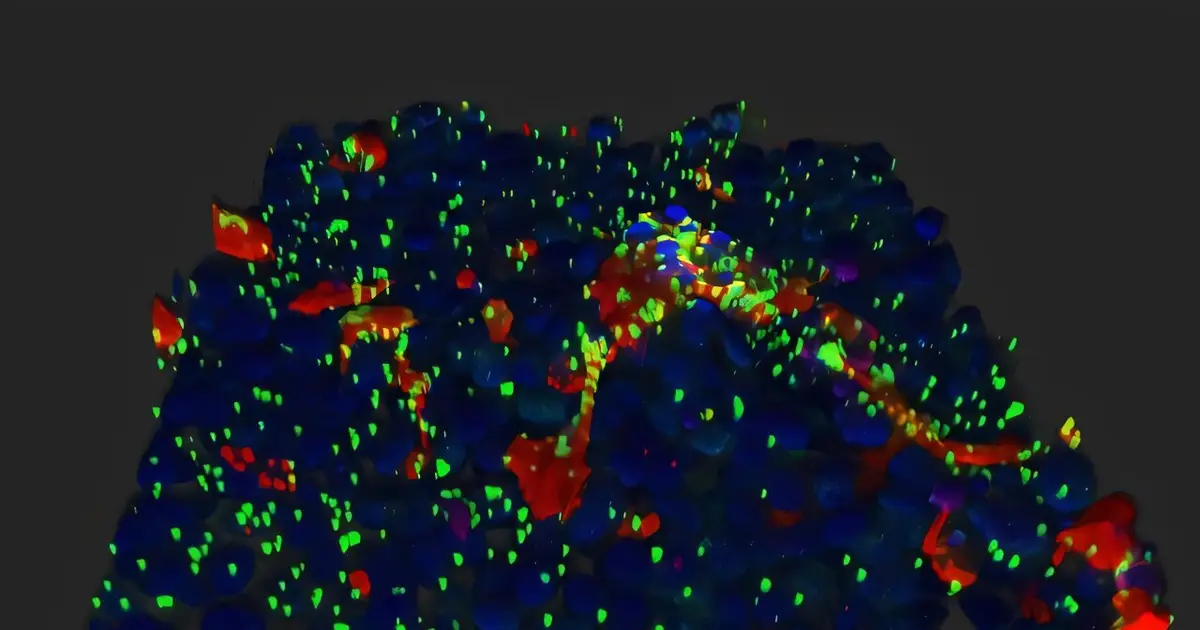
The mucus layer in the human gut is a tough place for bacteria: nutrients are scarce, and conditions are harsh. How do bacteria adapt to such extreme environments?

AI Summary
Researchers at the Helmholtz Institute for RNA‑based Infection Research and the Chair of Microbiology at Julius‑Maximilians‑Universität in Würzburg, collaborating with scientists at Vanderbilt Health, discovered a key regulator that helps gut bacteria survive in the mucus layer of the human intestine. The mucus layer is a harsh environment where nutrients are scarce and conditions are tough for microbes. The study identifies how this regulator enables bacteria to adapt to the extreme conditions of intestinal mucus.
AI summaries can be wrong sometimes—always verify important details using the source article.
How AI & Automation are usedCoverage Context
More from Science
Continue reading recent Science coverage
- Rocks under the lens: A simple microscope opens new possibilities for quantitative rock analysisContinue reading
- New research establishes fundamental complexity limit for quantum circuit optimizationContinue reading
- 'That's when the chaos began': The fall of the Berlin Wall in the words of East and West GermansContinue reading
- AI could be used to write your child's report. Is this a problem?Continue reading
Support HappeningNow
Independent AI-powered news analysis is reader-supported. Your contribution helps cover infrastructure, summaries, and continued platform development.
Support HappeningNow